teakettle31

A Site To Catalog My Aircraft Adventures

  • About
    • About This Website
    • About Me
    • About My Favorite Aircraft
  • Aircraft I’ve Flown Organized By…
    • Mil/Civ Type
      • Airplane Single-engine Piston
      • Airplane Multi-engine Piston
      • Airplane Single-engine Turboprop
      • Airplane Multi-engine Turboprop
      • Tactical Jets
      • Large Jets
      • Business Jets
      • Helicopters
      • Gliders
      • Lighter than air
      • Other
    • Order Flown
      • Order Flown: 1-25
      • Order Flown: 26-50
      • Order Flown: 51-75
      • Order Flown: 76-100
      • Order Flown 101-125
      • Order Flown: 126-150
      • Order Flown: 151-175
      • Order Flown: 176+
  • Other Content
    • Favorite Links
    • Documents
    • My Store
  • Flight Test Services

Schleicher ASK-21

July 22, 2026 by Bob Stoney Leave a Comment

Aircraft Information
> Aircraft Make: Alexander Schleicher. Model: ASK-21. Nickname: none
> Aircraft Mil Civ Description: Glider
> FAA Category and Class: Glider
> Engine Description: none

Aircraft Experience
> As of: 11/5/2025
> Number of Hours Flown: 11
> Number of Times Flown: 20
> Other Aircraft Models Associated: other ASK models.

First Flown Information
> Sequence First Flown: 35
> Date First Flown: 9/9/1987
> Location First Flown: NAS Patuxent River, MD (KNHK)
> Who and/or What Organization First Flown With: White, USNTPS
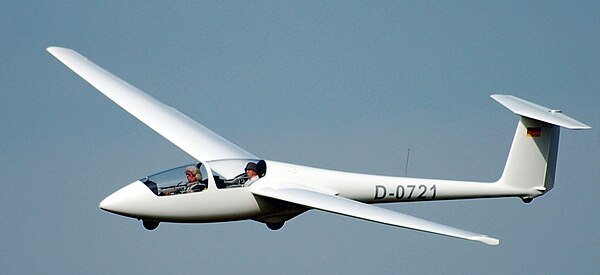
ASK-21 (stock photo)
(c) Wikipedia

Recollections: I was assigned to USNTPS as a JO instructor and had been flying the X-26 (SGS 2-32) for the “glider curriculum”.  For one or two cycles of the curriculum we needed to take the X-26 out of service to do a complete inspection and overhaul some structural parts.  So, we contracted with a company to use their ASK-21 to replace, and later augment, the X-26.  The ASK-21 was a much better performer and did everything the X-26 could do, including spins (though it required the installation of a weight on the tail).

The glider curriculum at that time (and for at least a decade before and after) was 5 flights for the student.  The first flight was a 5,000 ft tow, release, basic airwork, loop, roll, spin, practice rope break turns, and a landing (usually demo’d).  The second was a tow to 3,000 ft, repeat practice flight, then a 3rd was another 3,000 ft tow and a checkride for the student.  The final two flights were a 400 ft rope break (fly to a truncated normal pattern) and then a 200 ft rope break (return for downwind landing).  Assuming this all went well, the students then flew two more flights solo, with an engineer classmate and they gathered data for a qualitative evaluation.  The debrief was great because a glider is so different than other airplanes (drag minimization is the name of the game, not stability…this shows up in many ways and drives home the important terms in the basic equations of motion for airplanes). 
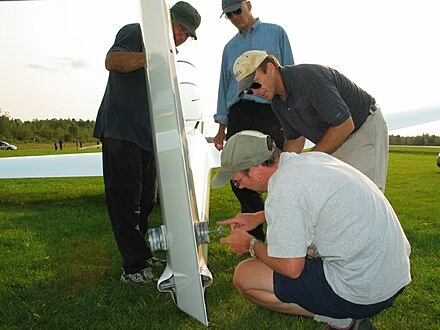
ASK-21 spin kit (weight on tail) installation
(c) Wikipedia

Filed Under: 26-50, Complete, Glider

Schweizer SGS 2-33

July 22, 2026 by Bob Stoney Leave a Comment

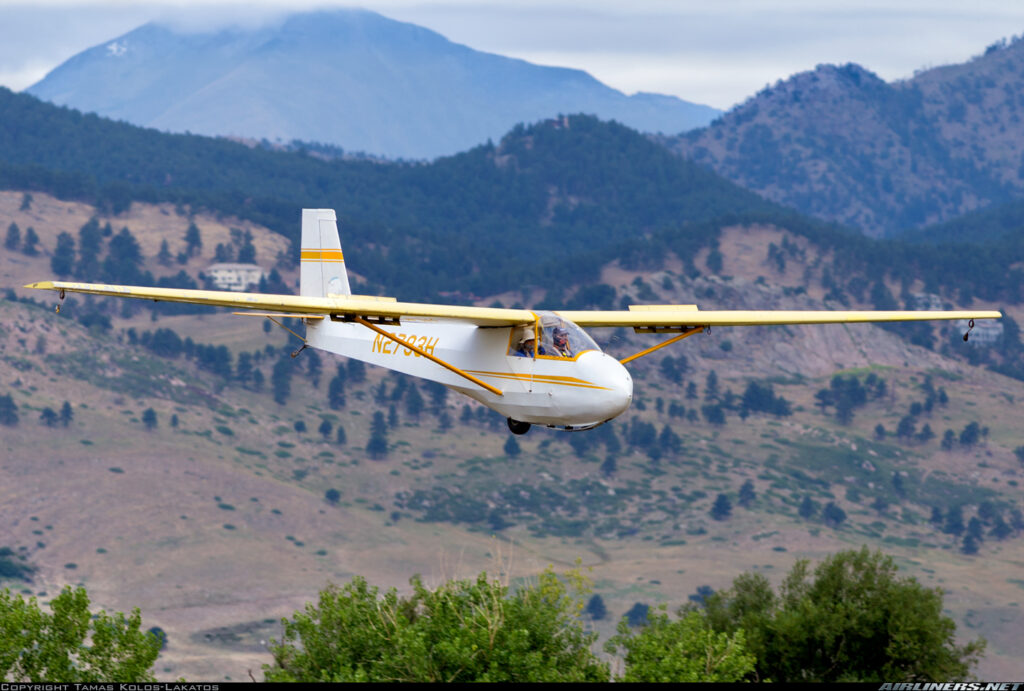
Schweizer 2-33 (stock photo)
(c) airliners.net

Aircraft Information
> Aircraft Make: Schweizer Aircraft Corporation. Model: 2-33. Nickname: none
> Aircraft Mil Civ Description: Glider
> FAA Category and Class: Glider
> Engine Description: none

Aircraft Experience
> As of: 11/5/2024
> Number of Hours Flown: 13
> Number of Times Flown: 51
> Other Aircraft Models Associated: TG-4A (USAFA)

First Flown Information
> Sequence First Flown: 27
> Date First Flown: 9/28/1986 [This is an error; my first flight was 5/2/1982; As a result, the sequence first flown is off]
> Location First Flown: Sky Sailing Airport, Fremont, CA
> Who and/or What Organization First Flown With: Sky Sailing

Recollections: While my number of flights in the Schweizer 2-33 are not large, this glider has had a big effect on my pilot certificate.  In a variety of ways:

–I got my commercial glider add-on in a 2-33 at Skysailing in Fremont, CA (a field that is no longer there, pushed out by development)

–I flew them both with the USAF (see photos below) and, later, in Wichita, KS at a civilian glider club.

–While working for the FAA, I obtained my Glider Instructor certificate (CFIG) at Skylark North in Tehachapi, CA, flying the 2-33

From a performance standpoint, the 2-33 is definitely a GLIDER, not a sailplane but (like all the Schweizers I’ve flown) it handles well, and is forgiving (for training).

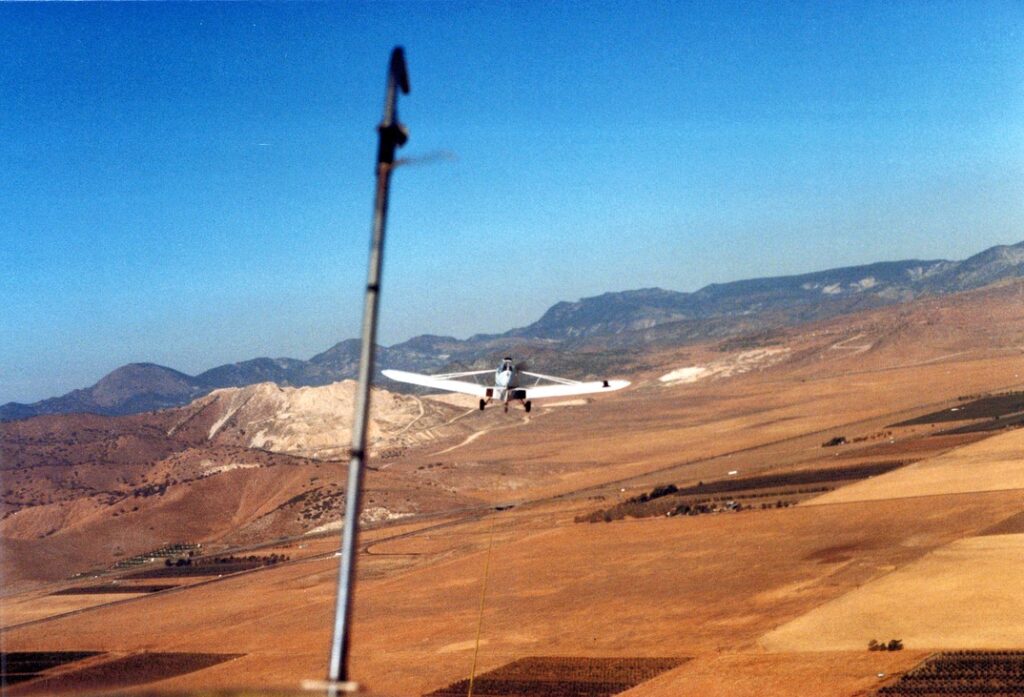
Schweizer 2-33 behind Pawnee towplane, Tehachapi, CA (September 1986 USNTPS Class 90 Field Trip)
(c) Bob Stoney
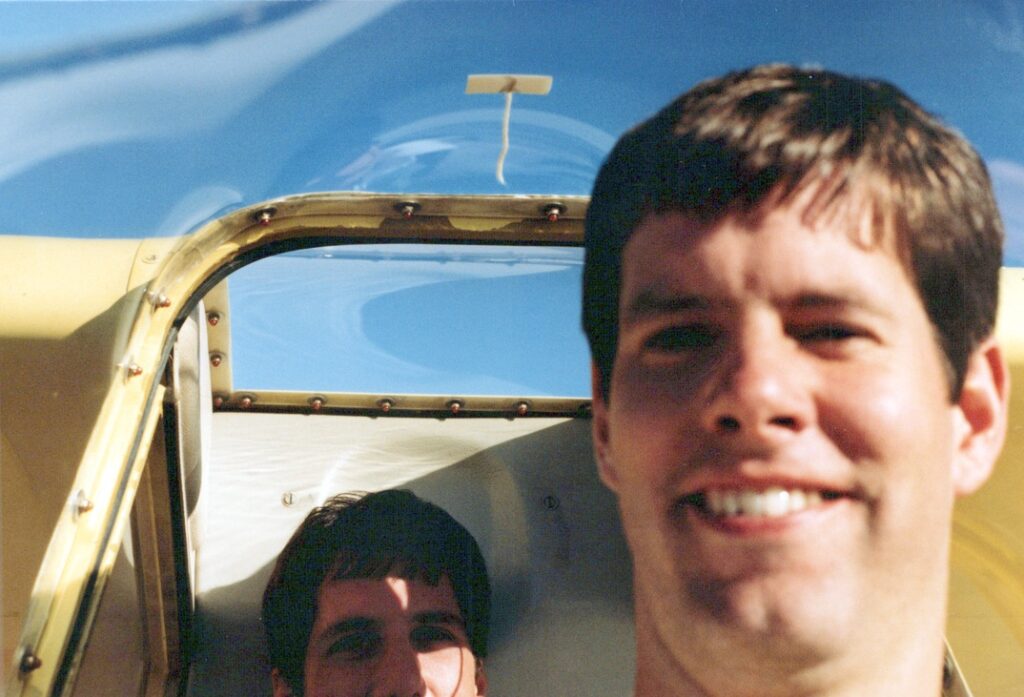
Schweizer 2-33 with Marc Heroux, Class 90 Field Trip (Sept 1986)
(c) Bob Stoney

Filed Under: 26-50, Complete, Glider

Schweizer X-26 (SGS 2-32) Frigate

July 22, 2026 by Bob Stoney Leave a Comment

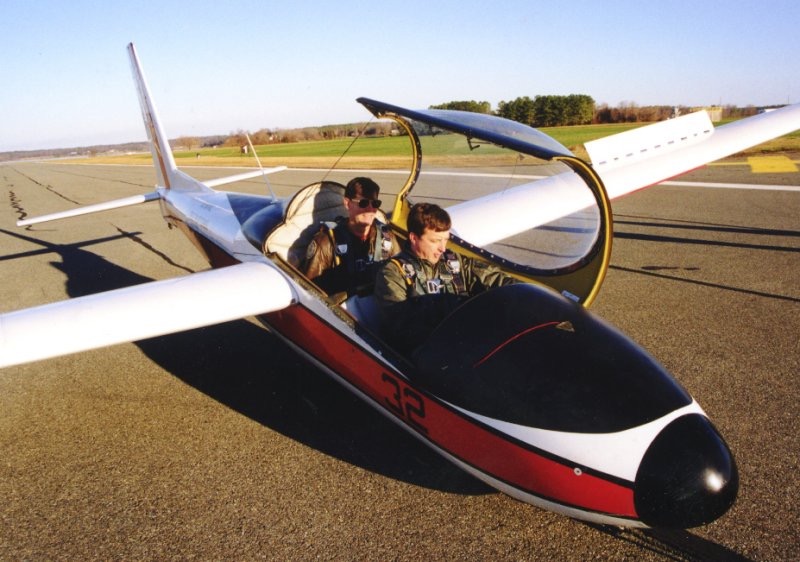
Teakettle 32, USNTPS X-26A, Stoney as IP
(c) US Navy Photo

Aircraft Information
> Aircraft Make:
Schweizer Aircraft Corporation Model: 2-32. Nickname: Frigate
> Aircraft Mil Civ Description: Glider
> FAA Category and Class: Glider
> Engine Description: none

Aircraft Experience
> As of: 6/27/2024
> Number of Hours Flown: 149
> Number of Times Flown: 112
> Other Aircraft Models Associated: X-26B

First Flown Information
> Sequence First Flown: 31
> Date First Flown: 11/3/1986
> Location First Flown: NAS Patuxent River, MD (KNHK)
> Who and/or What Organization First Flown With: Chris Wheal, US Naval Test Pilot School IP

Recollections: Yes, I’ve flown an “X-plane”.  Sounds cool, until you realize it was just a Schweizer model 2-32.  This glider is described by Wikipedia as follows: “The X-26A was used by the United States Navy to train test pilots in the condition of yaw/roll coupling. Since jet trainers were known to be dangerous in this condition, the X-26 was based on the Schweizer SGS 2-32 sailplane. Sailplanes react much slower and are easier to control than jet aircraft, making the X-26 a much safer training platform.”

While this is somewhat glorified and indirect, the essence of the USNTPS glider program is this: it teaches adaptability and it’s an excellent means to test student knowledge of the basic tenants of aerodynamics, particularly stability and control.  The “adaptability” piece is discussed elsewhere on this website but the fact that each student, after 5 instructional flights, then goes on to solo the glider (this is done near the end of the year-long course) shows THEM just how far they’ve come.  And, they don’t just “fly the glider”, they perform a series of tests which illustrate basics of aero theory….for example: the period of the phugoid is very short…because TAS is the predominant term in the formula for phugoid period.  Dutch roll frequency is slow, due to low static directional stability (why? because that would take a bigger tail, which would defeat the glider’s mission focused on L/D, i.e. performance.  The discussion goes on!). 

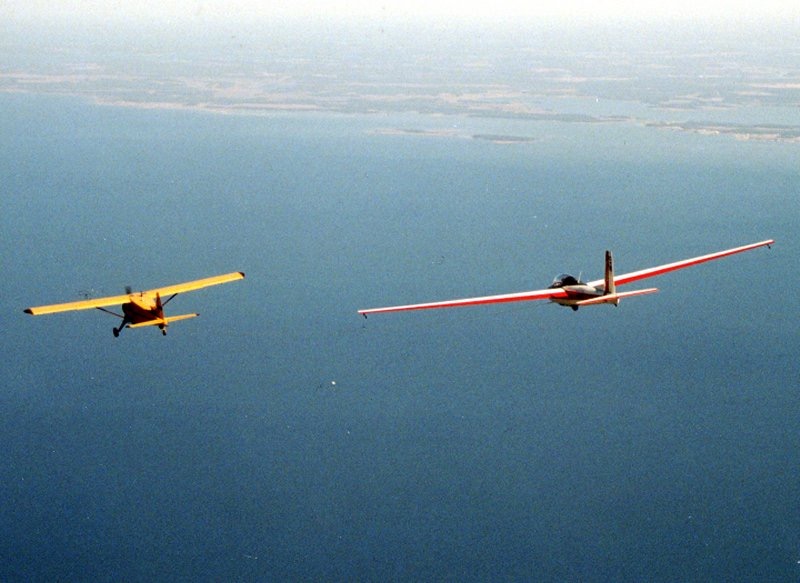
USNTPS X-26A Frigate, being towed by the school’s U-6 Beaver
(c) US Navy photo

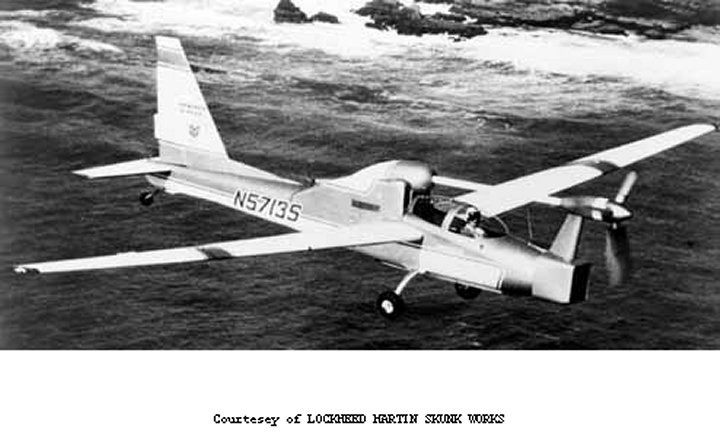
The “real X-plane” that looks like the school’s glider was the X-26B, an unusual powered glider, shown in one of the pictures.

The real X-plane, the X-26B
(c) Lockheed Martin

I first flew the X-26 with Chris Wheal, one of my favorite instructors.  Chris was a Brit, a task master and–if he didn’t like you–would make your life hell.  Fortunately for me, he liked me.  I went on to instructor in the X-26 for almost a decade and it was one of my favorite school exercises, for the reasons discussed above.

As of this writing (2024), I understand that students no longer solo the X-26, which is a shame in my view, and reflects poor risk management in combination with the mission of training test pilots.  That said, rolling back changes like “IP’s only will be PIC for the X-26” are difficult to reverse.  Here, I think about some Test Pilot schools where (mostly because of insurance purposes) students are NEVER the Pilot in Command. I certainly hope that never happens at the Military TPS’s because the risk will just be shifted from the school, to the test community.

Filed Under: 26-50, Complete, Glider

Pilatus PC-12

July 22, 2026 by Bob Stoney Leave a Comment

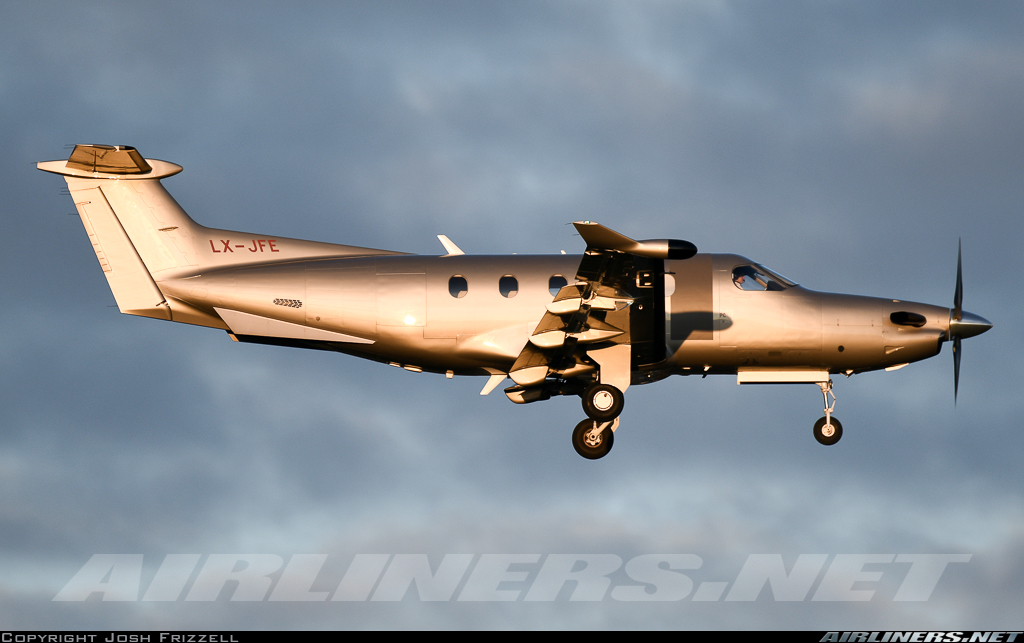
PC-12 (stock photo)
(c) airliners.net

Aircraft Information
> Aircraft Make: Pilatus. Model: PC-12. Nickname: none
> Aircraft Mil Civ Description: Airplane SE Turboprop
> FAA Category and Class: Airplane SE Land
> Engine Description: Single P&W PT6E-67 (various variants, up to 1845 SHP!)

Aircraft Experience
> As of: 11/5/2024
> Number of Hours Flown: 1
> Number of Times Flown: 1
> Other Aircraft Models Associated: none

First Flown Information
> Sequence First Flown: 138
> Date First Flown: 8/28/2003
> Location First Flown: Peachtree Dekalb Airport, GA (KPDK)
> Who and/or What Organization First Flown With: IS&S Corporation

Recollections: The PC-12 is the third “PC” I’ve flown…the 7, 9 and 12.  I always WANTED to fly the PC-6 “Porter” but never got the chance.  Speaking of Pilatus, why does the PC-6 have a nickname, the 7 is “Turbo Trainer” and…as time went on…the 9 and 12 have no nickname that I’m aware of?  Seems like an opportunity.

Another note: the latest variants of the PC-12 engine is a Pratt and Whitney PT6 up to 1845 SHP. That’s simply amazing. There are PT6’s that are in the 450 SHP range. The versatility and growth of this engine series are truly amazing.

Anyway, I flew the 12 on a quick project flight, giving inputs on a new IS&S Corporation flight display.  I was part of a human factors evaluation in advance of formal certification.  The airplane was very easy to fly–even out of the unfamiliar-to-me Peachtree airport in Georgia–allowing me to focus on the new flight display.

Filed Under: 126-150, Airplane SE Turboprop, Complete

Epic E1000

July 22, 2026 by Bob Stoney Leave a Comment

Aircraft Information
> Aircraft Make: Epic Model: E1000 Nickname: none
> Aircraft Mil Civ Description: Airplane SE Turboprop
> FAA Category and Class: Airplane SE Land
> Engine Description: single P&W PT6A-67A (1200 SHP)

Aircraft Experience
> As of: 11/2/2024
> Number of Hours Flown: 16
> Number of Times Flown: 10
> Other Aircraft Models Associated: E1000, E1000GX

First Flown Information
> Sequence First Flown: 181
> Date First Flown: 9/27/2019
> Location First Flown: Bend Airport, OR (KBDN)
> Who and/or What Organization First Flown With: Epic Aircraft, Peter Stiles

Recollections: The Epic E1000 is produced by the Epic Aircraft Company of Bend, Oregon.  The design started out as an experimental, amatuer built (aka “Homebuilt” or “Kit Built”) and–in a rare and impressive turn of events–was then moved into the Certified world, receiving FAA Type Certification in 2019.  At a distance the kit built and certified airplanes appear the same but there were a number of changes required to achieve FAA certification. 

I was not the primary FAA pilot for the certification program (which is a bummer!) but I was able to fly the airplane several times for a modified version (5 bladed propeller and incorporation of the Garmin autopilot), including autopilot hard over tests and takeoff and landing performance.

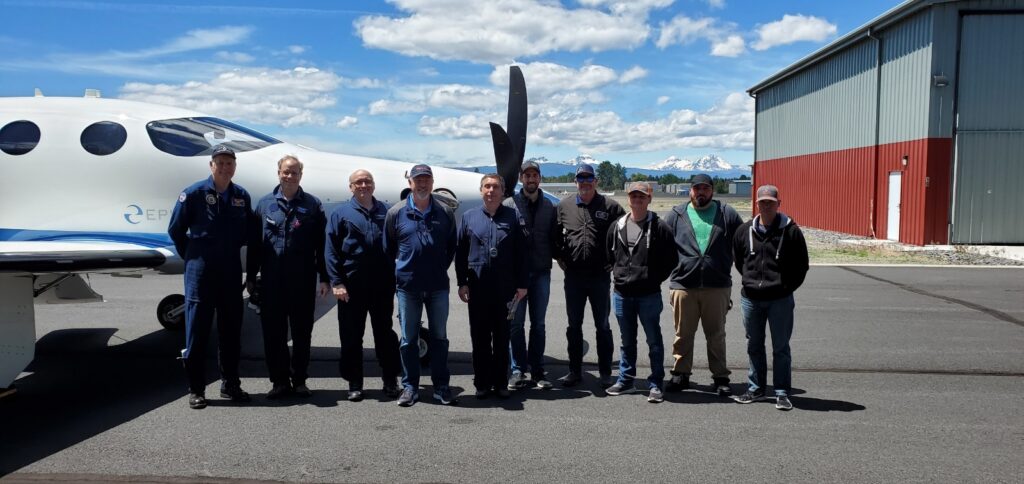
Epic E1000GX Test Team
(c) Bob Stoney

The Epic is an amazing performer.  It’s fast and easy to fly.  From a procedural perspective, the airplane is very easy to operate because the cockpit is simply and extremely well laid out.  Now that I’ve left the FAA I can publicly state that the E1000 is REALLY a remarkably easy airplane to operate and fly. If I was rich, I’d buy one!

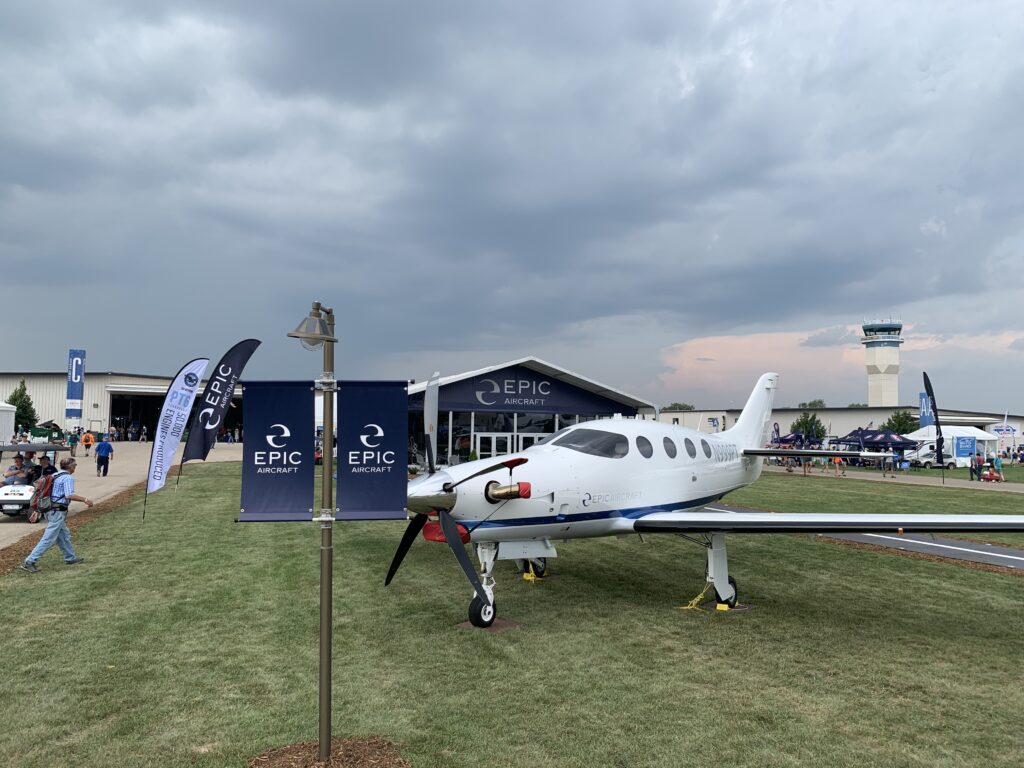
Epic E1000 at Oshkosh
(c) Bob Stoney

Filed Under: 176+, Airplane SE Turboprop, Complete

  • « Previous Page
  • 1
  • 2
  • 3
  • 4
  • …
  • 16
  • Next Page »

Recent Comments

  • Bob Stoney on Grumman OV-1 Mohawk
  • Brian Paul on Grumman OV-1 Mohawk
  • Bob Stoney on Raytheon 390 Premier I

Contact Me.

Click Here.

Visitor Count

9490

Copyright © 2026 · Outreach Pro on Genesis Framework · WordPress · Log in