teakettle31

A Site To Catalog My Aircraft Adventures

  • About
    • About This Website
    • About Me
    • About My Favorite Aircraft
  • Aircraft I’ve Flown Organized By…
    • Mil/Civ Type
      • Airplane Single-engine Piston
      • Airplane Multi-engine Piston
      • Airplane Single-engine Turboprop
      • Airplane Multi-engine Turboprop
      • Tactical Jets
      • Large Jets
      • Business Jets
      • Helicopters
      • Gliders
      • Lighter than air
      • Other
    • Order Flown
      • Order Flown: 1-25
      • Order Flown: 26-50
      • Order Flown: 51-75
      • Order Flown: 76-100
      • Order Flown 101-125
      • Order Flown: 126-150
      • Order Flown: 151-175
      • Order Flown: 176+
  • Other Content
    • Favorite Links
    • Documents
    • My Store
  • Flight Test Services

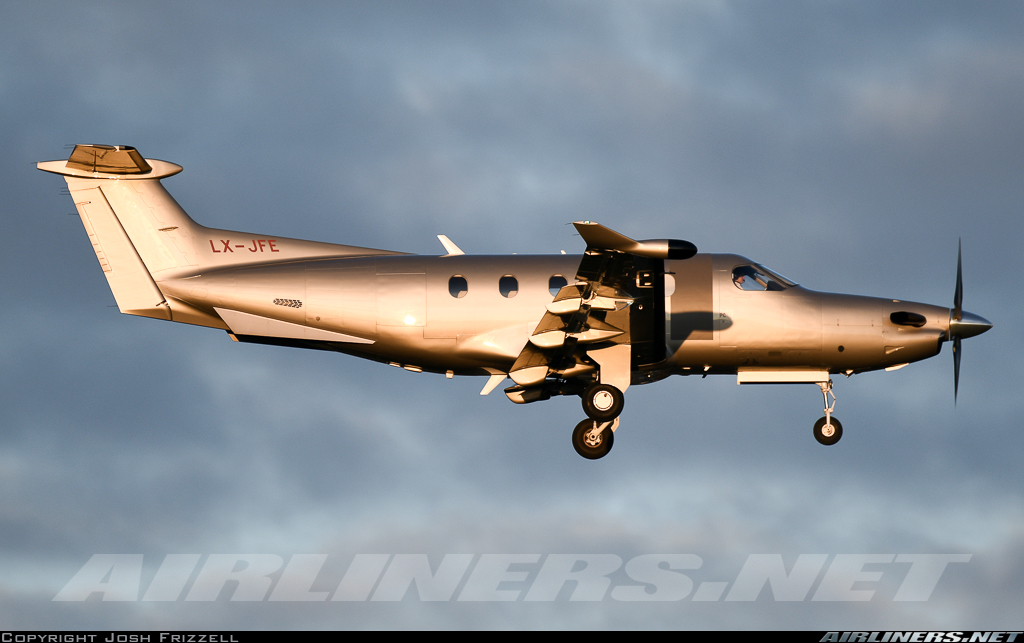
Pilatus PC-12

July 22, 2026 by Bob Stoney Leave a Comment

PC-12 (stock photo)
(c) airliners.net

Aircraft Information
> Aircraft Make: Pilatus. Model: PC-12. Nickname: none
> Aircraft Mil Civ Description: Airplane SE Turboprop
> FAA Category and Class: Airplane SE Land
> Engine Description: Single P&W PT6E-67 (various variants, up to 1845 SHP!)

Aircraft Experience
> As of: 11/5/2024
> Number of Hours Flown: 1
> Number of Times Flown: 1
> Other Aircraft Models Associated: none

First Flown Information
> Sequence First Flown: 138
> Date First Flown: 8/28/2003
> Location First Flown: Peachtree Dekalb Airport, GA (KPDK)
> Who and/or What Organization First Flown With: IS&S Corporation

Recollections: The PC-12 is the third “PC” I’ve flown…the 7, 9 and 12.  I always WANTED to fly the PC-6 “Porter” but never got the chance.  Speaking of Pilatus, why does the PC-6 have a nickname, the 7 is “Turbo Trainer” and…as time went on…the 9 and 12 have no nickname that I’m aware of?  Seems like an opportunity.

Another note: the latest variants of the PC-12 engine is a Pratt and Whitney PT6 up to 1845 SHP. That’s simply amazing. There are PT6’s that are in the 450 SHP range. The versatility and growth of this engine series are truly amazing.

Anyway, I flew the 12 on a quick project flight, giving inputs on a new IS&S Corporation flight display.  I was part of a human factors evaluation in advance of formal certification.  The airplane was very easy to fly–even out of the unfamiliar-to-me Peachtree airport in Georgia–allowing me to focus on the new flight display.
Filed Under: 126-150, Airplane SE Turboprop, Complete

Epic E1000

July 22, 2026 by Bob Stoney Leave a Comment

Aircraft Information
> Aircraft Make: Epic Model: E1000 Nickname: none
> Aircraft Mil Civ Description: Airplane SE Turboprop
> FAA Category and Class: Airplane SE Land
> Engine Description: single P&W PT6A-67A (1200 SHP)

Aircraft Experience
> As of: 11/2/2024
> Number of Hours Flown: 16
> Number of Times Flown: 10
> Other Aircraft Models Associated: E1000, E1000GX

First Flown Information
> Sequence First Flown: 181
> Date First Flown: 9/27/2019
> Location First Flown: Bend Airport, OR (KBDN)
> Who and/or What Organization First Flown With: Epic Aircraft, Peter Stiles

Recollections: The Epic E1000 is produced by the Epic Aircraft Company of Bend, Oregon.  The design started out as an experimental, amatuer built (aka “Homebuilt” or “Kit Built”) and–in a rare and impressive turn of events–was then moved into the Certified world, receiving FAA Type Certification in 2019.  At a distance the kit built and certified airplanes appear the same but there were a number of changes required to achieve FAA certification. 

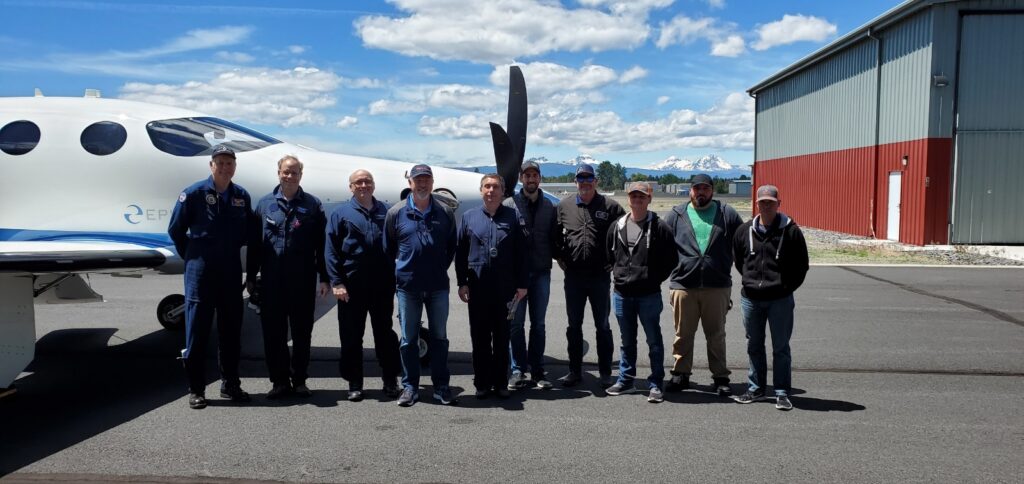
I was not the primary FAA pilot for the certification program (which is a bummer!) but I was able to fly the airplane several times for a modified version (5 bladed propeller and incorporation of the Garmin autopilot), including autopilot hard over tests and takeoff and landing performance.

Epic E1000GX Test Team
(c) Bob Stoney

The Epic is an amazing performer.  It’s fast and easy to fly.  From a procedural perspective, the airplane is very easy to operate because the cockpit is simply and extremely well laid out.  Now that I’ve left the FAA I can publicly state that the E1000 is REALLY a remarkably easy airplane to operate and fly. If I was rich, I’d buy one!

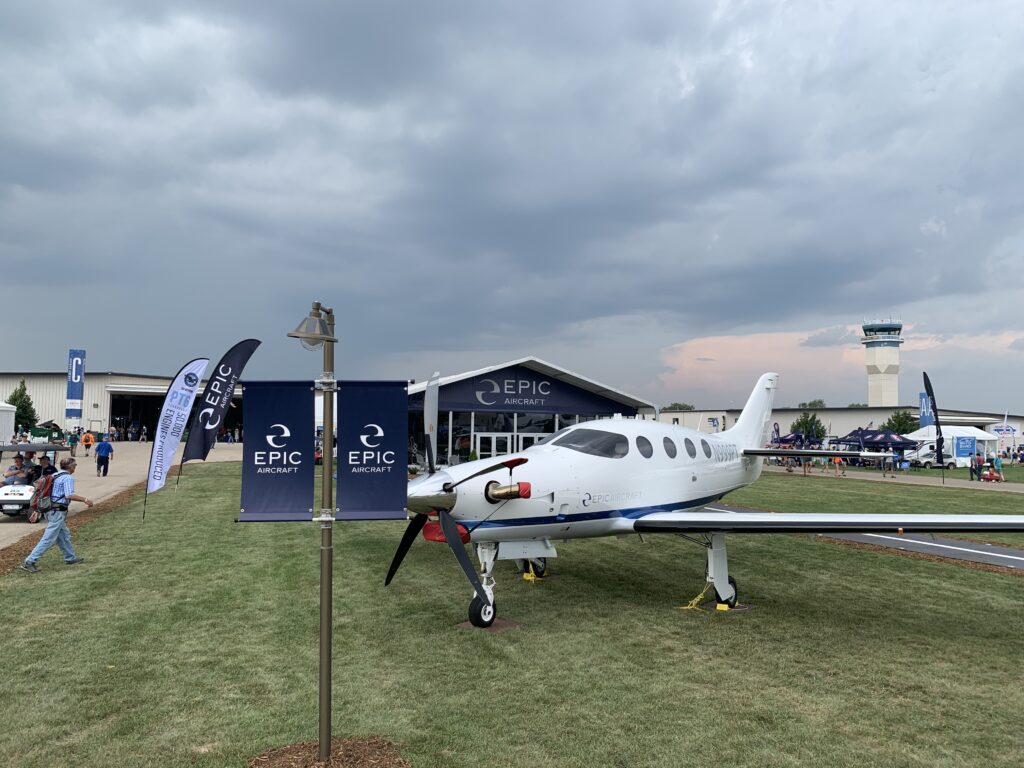
Epic E1000 at Oshkosh
(c) Bob Stoney

Filed Under: 176+, Airplane SE Turboprop, Complete

Cessna (Soloy) 206T Turbine

July 22, 2026 by Bob Stoney Leave a Comment

Aircraft Information
> Aircraft Make: Cessna (with Soloy STC for turbine engine) Model: 206T Nickname: Turbine Stationair
> Aircraft Mil Civ Description: Airplane SE Turboprop
> FAA Category and Class: Airplane SE Land
> Engine Description: Single Rolls-Royce B-17F2 (450 SHP)

Aircraft Experience
> As of: 11/2/2024
> Number of Hours Flown: 1.1
> Number of Times Flown: 1
> Other Aircraft Models Associated: Cessna 206 (Piston engine)

First Flown Information
> Sequence First Flown: 167
> Date First Flown: 9/15/2024
> Location First Flown: Olympia Airport, WA (KOLM)
> Who and/or What Organization First Flown With: Soloy, Paul Leckman

Recollections: Counting this as a separate airplane, if only as a way to communicate the many, many interesting projects I was able to fly as an FAA Test Pilot. 

The Soloy Aviation is a relatively small engineering and aircraft modification firm based in Olympia, WA.  They have a number of Turbine conversions and other significant aircraft modifications.

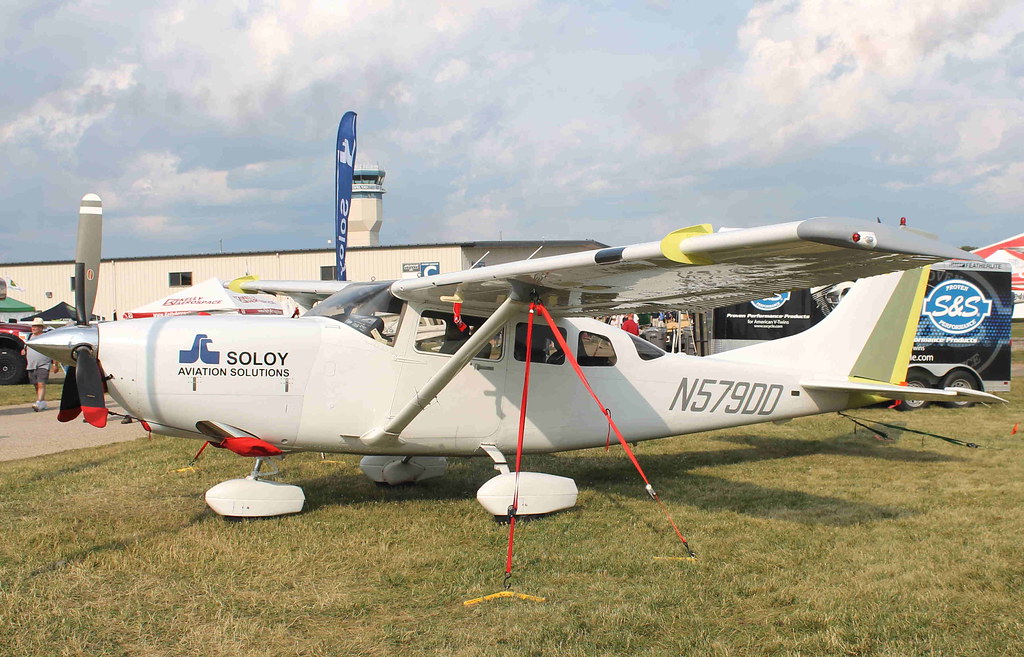
Illustrating the huge variety of projects at FAA, I’ve flown twice at Soloy, once in an AS350 helicopter and then in the C-206 Turbine conversion.  The C-206T project was configured with a camera pod on the left wing and the purpose was to remove an existing limitation on the autopilot.  It was a successful one flight check of the autopilot’s ability to manage the asymmetric drag.

Cessna 206T Soloy Turbine conversion N579DD (stock photo)
(c) flickr.com

Filed Under: 151-175, Airplane SE Turboprop, Complete

Pilatus PC-7

July 22, 2026 by Bob Stoney Leave a Comment

Aircraft Information
> Aircraft Make: Pilatus Model: PC-7. Nickname: Turbo Trainer
> Aircraft Mil Civ Description: Airplane SE Turboprop
> FAA Category and Class: Airplane SE Land
> Engine Description: Single P&W PT6A-25A (650 HP)

Aircraft Experience
> As of: 11/2/2024
> Number of Hours Flown: 1.2
> Number of Times Flown: 1
> Other Aircraft Models Associated: none

First Flown Information
> Sequence First Flown: 59
> Date First Flown: 7/3/1989
> Location First Flown: Stans, Switzerland
> Who and/or What Organization First Flown With: Pilatus Corporation, Bernie Alder

Recollections: Read my PC-9 writeup, where I talk about my desire to fly in Switzerland to (as I say in that writeup) “zorch around the Swiss Alps”. Well, I finally achieved that goal during the USNTPS Staff Field trip in 1989.  That field trip included stops at the test centers in the UK (Boscome Down), Germany (Manching), Switzerland (Stans) and France (Istres).  

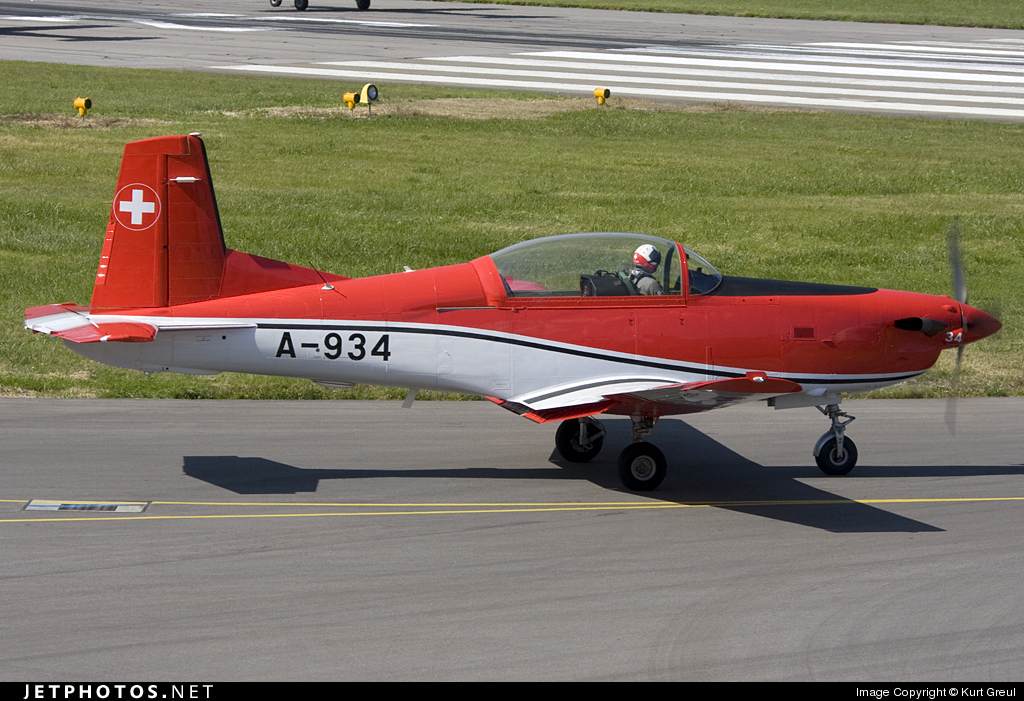
My flight in Stans was with famous test pilot Bernie Alder, a true pleasure to fly with.  I flew “A-934” and enjoyed comparing it to it’s bigger brother, the PC-9 (my DT-II airplane).  

Pilatus PC-7 registration A-934 (stock photo)
(c) Jetphotos.net

Filed Under: 51-75, Airplane SE Turboprop, Complete

Pilatus PC-9

July 22, 2026 by Bob Stoney Leave a Comment

Aircraft Information
> Aircraft Make: Pilatus Model: PC-9. Nickname: Don’t know of one; this is an airplane that deserves a good nickname!
> Aircraft Mil Civ Description: Airplane SE Turboprop
> FAA Category and Class: Airplane SE Land
> Engine Description: Single P&W PT6A-62 (950 HP)

Aircraft Experience
> As of: 11/4/2024
> Number of Hours Flown: 6
> Number of Times Flown: 4
> Other Aircraft Models Associated: PC-9B, T-6 Texan II, and PC-7

First Flown Information
> Sequence First Flown: 33
> Date First Flown: 11/6/1986
> Location First Flown: Andrews Air Force Base, MD (KADW)
> Who and/or What Organization First Flown With: Pilatus Corporation, Klaus & Galli

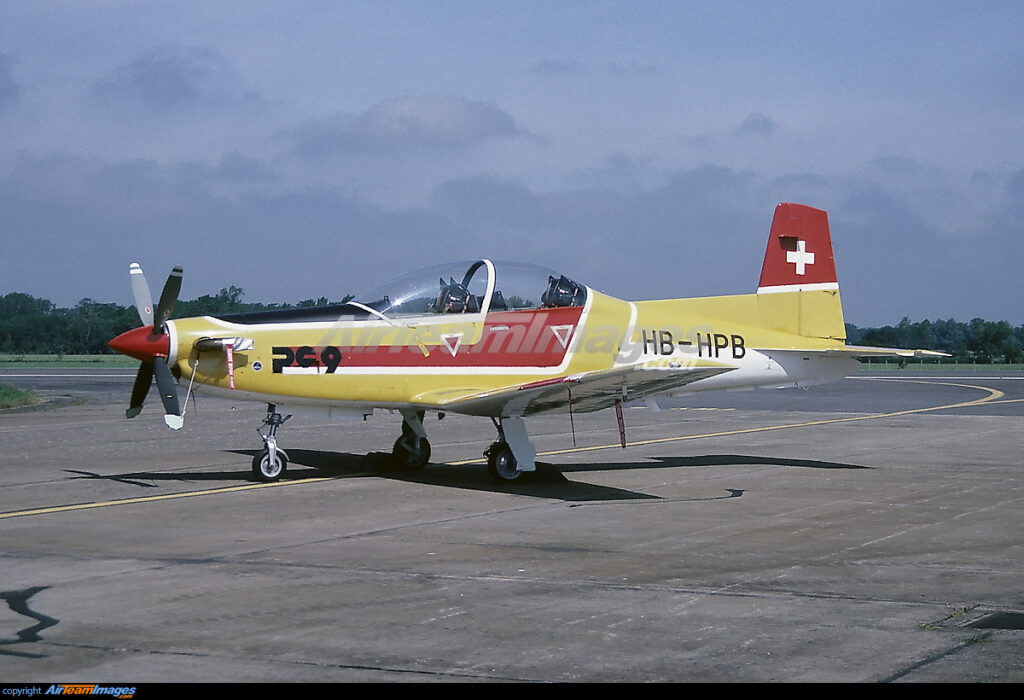
Pilatus PC-9 Registration HB-HPB (stock photo)
(c) Airteam Images

Recollections: In many other writeups, you will see that I flew various aircraft at an instructor at USNTPS for the purpose of being able to GRADE a student’s Developmental Testing Phase II (DT-II) report, the capstone event of the USNTPS curriculum wherein students are assigned an airplane they’ve never flown before, they write a full test plan, fly the aircraft and then write a full report on their findings, concluding on suitability for a given mission.

Well, the PC-9 was MY DT-II, as a student at TPS.  My engineering partner in the event was Mark Heroux, a civilian Fixed Wing engineer.  At that time at TPS, it was somewhat unusual for a pilot to be teamed with an engineer, which foreshadowed my strong life-long belief that the TP/FTE team is a  “one plus one equals three” situation.  Many years later, while serving with the FAA, I had to argue the important point concerning this team many times to leaders who had no clue about flight test.  But I digress.

Students were asked to submit their “wish list” for their DT-II assignment.  The staff combines this desire, with the student’s performance and their intended post-TPS assignment to piece together the DT-II assignments.  Being a prop guy, the PC-9 was a natural fit for me and I put it high on my wish list.  But, it was high on my list because I wanted to go to Switzerland to fly it.  The idea of zorching around the Swiss Alps in this rocket-ship of an airplane was at the forefront of my thoughts.  And, sure enough, Mark and I were assigned to the PC-9.  We began preparing our test plan, and reading Swiss vacation journals.  Unfortunately, the PC-9–which had relatively recently been certified by Pilatus–was on a world-wide marketing trip, flying the airplane to any potential customers to demonstrate the machine.  One of those potential customers was the US Air Force and–you guessed it–this airplane (I believe the airplane we flew, registration HB-HPB was the second prototype, registration HB-HPA being the initial prototype)  was scheduled to be at the Andrews AFB (just north of Pax River) the week of DT-II.  So, Mark and I put our travel journals away and got ready to drive 30 minutes up Highway 235.

The airplane WAS a rocket ship.  I flew it 4 times and I believe Mark did as well.  One of my flights was with Hans Galli.  For some reason (probably because I was very busy with the report), my log book lumps all 4 flights into one entry, which is very unusual for me.  Anyway, I honestly don’t remember much about the flights, it was busy, we got a ton of data, we pulled all nighters writing the report and Mark and I both passed and graduated.  

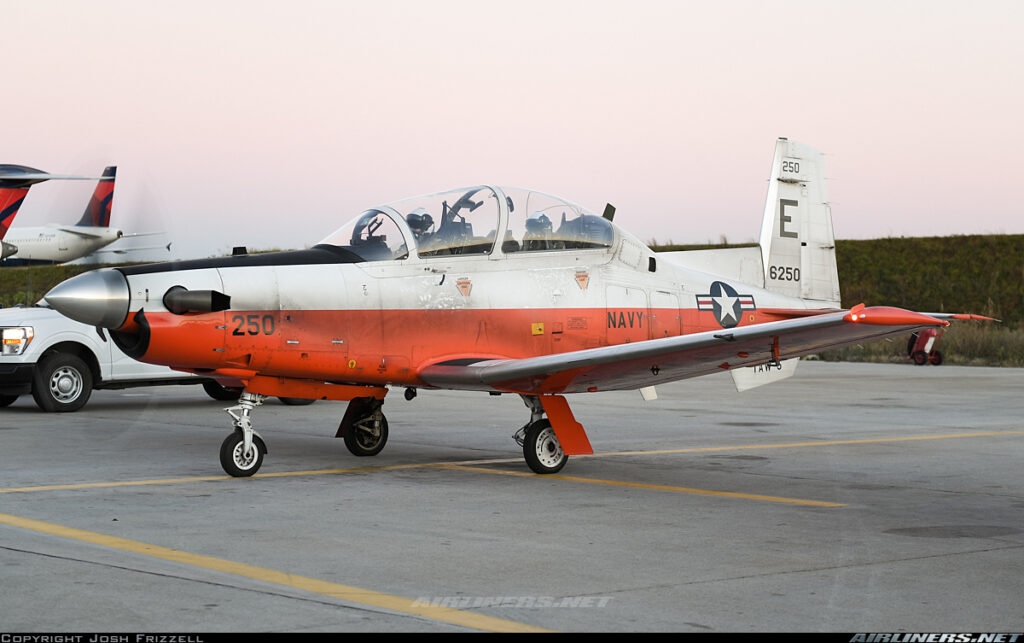
The PC-9 later morphed into the Beechcraft (later Textron) T-6 Texan II, which won the Joint Primary Aircraft Training System (JPATS) competition for a joint trainer and is still the primary trainer for both the US Air Force and Navy.  The Texan II replaced, around the 2010 timeframe, both the USAF’s T-37B and the Navy’s T-34C.

T-6 Texan II, son of the Pilatus PC-9 (stock photo)
(c) airliners.net, Josh Frizzell

Filed Under: 26-50, Airplane SE Turboprop, Complete

  • 1
  • 2
  • Next Page »

Recent Comments

  • Bob Stoney on Grumman OV-1 Mohawk
  • Brian Paul on Grumman OV-1 Mohawk
  • Bob Stoney on Raytheon 390 Premier I

Contact Me.

Click Here.

Visitor Count

9489

Copyright © 2026 · Outreach Pro on Genesis Framework · WordPress · Log in