teakettle31

A Site To Catalog My Aircraft Adventures

  • About
    • About This Website
    • About Me
    • About My Favorite Aircraft
  • Aircraft I’ve Flown Organized By…
    • Mil/Civ Type
      • Airplane Single-engine Piston
      • Airplane Multi-engine Piston
      • Airplane Single-engine Turboprop
      • Airplane Multi-engine Turboprop
      • Tactical Jets
      • Large Jets
      • Business Jets
      • Helicopters
      • Gliders
      • Lighter than air
      • Other
    • Order Flown
      • Order Flown: 1-25
      • Order Flown: 26-50
      • Order Flown: 51-75
      • Order Flown: 76-100
      • Order Flown 101-125
      • Order Flown: 126-150
      • Order Flown: 151-175
      • Order Flown: 176+
  • Other Content
    • Favorite Links
    • Documents
    • My Store
  • Flight Test Services

Beechcraft Model 18 Twin Beech

January 23, 2025 by Bob Stoney Leave a Comment

Aircraft Information
> Aircraft Make: Beechcraft. Model: 18. Nickname: Twin Beech
> Aircraft Mil Civ Description: Airplane ME Piston
> FAA Category and Class: Airplane Multi-engine Land
> Engine Description: Twin piston

Aircraft Experience
> As of: 6/25/2024
> Number of Hours Flown: 2
> Number of Times Flown: 2
> Other Aircraft Models Associated: BE-18, D-18, H-18, C-45

First Flown Information
> Sequence First Flown: 93
> Date First Flown: 6/27/1997
> Location First Flown: North Las Vegas Airport, NV (KVGT)
> Who and/or What Organization First Flown With: Qual Eval with USNTPS

Recollections: Ah, the twin Beech!  What a machine.  Unfortunately, my experience with her is not what I wish it was (but there’s still time!).  My first flight, which is poorly recorded in my US Navy logbook, took place while conducting a “Qual Eval” (Qualitative evaluation), during a US Naval Test Pilot School staff field trip in the summer of 1997. I flew with a pilot recorded only as “Walker” (you out there?  contact me to fill in details!) in the summer of 1997, in N1828D.  A search of this N number reveals the owner as “Walker James” of Henderson, NV (near Las Vegas and–most importantly–Nellis AFB).  I believe I conducted this Qual Eval during a field trip to Nellis (this was a common stop on field trips, to visit facilities that–at the time–were pretty well-kept secrets and which, as I write this, I’m not 100% sure what is classified or not, so I’ll just zip it).  
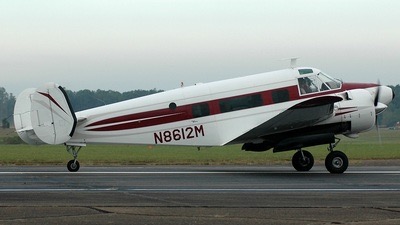
Twin Beech N8612M, Serial BA-650 (file photo)
(c) jetphotos.net

So, what of my first flight in the Beech 18?  Well, that’s even fuzzier, possibly due to what I’m sure was a good time in Las Vegas.  I remember much better my 2nd flight in a twin beech…when I went to buy one in 2004 while working as an FAA Test Pilot in Wichita, KS.  I decided that–to travel the midwest for work and fun–I needed a twin engine airplane.  After consideration of Beech Barons, et al, I decided that the machine for me was a Twin Beech.  A gorgeous one was for sale near Pittsburgh, PA and so my son Will and I traveled to Pittsburgh, rented a car and drove to the Beaver Falls, PA airport to fly with the owner, Bill Burdis.  The plane (Serial BA-650, a late-model H18 registered then as N8612M and later N87711) was wonderful and, while clearly a plane I’d need to get proficient in, well suited to my mission. Sure, it was a bit heavy on the controls (but there’s a beauty in that) but she was solid, nostalgic and I fell in love.   After flying with Bill for a 1.2, we made him an offer.  In the end, it was an offer he COULD and DID refuse, selling the plane instead to a well-known twin beech pilot, Steve Oxman.  It was probably for the best, as I ended up moving jobs to the Seattle FAA office within just a 6 month period and keeping a twin beech in Seattle probably would’ve proven a difficult task.  It would be another 15 years before I would once again attempt to become an owner of an aircraft, when Fred Quarnstrom and I purchased our Birddog.  
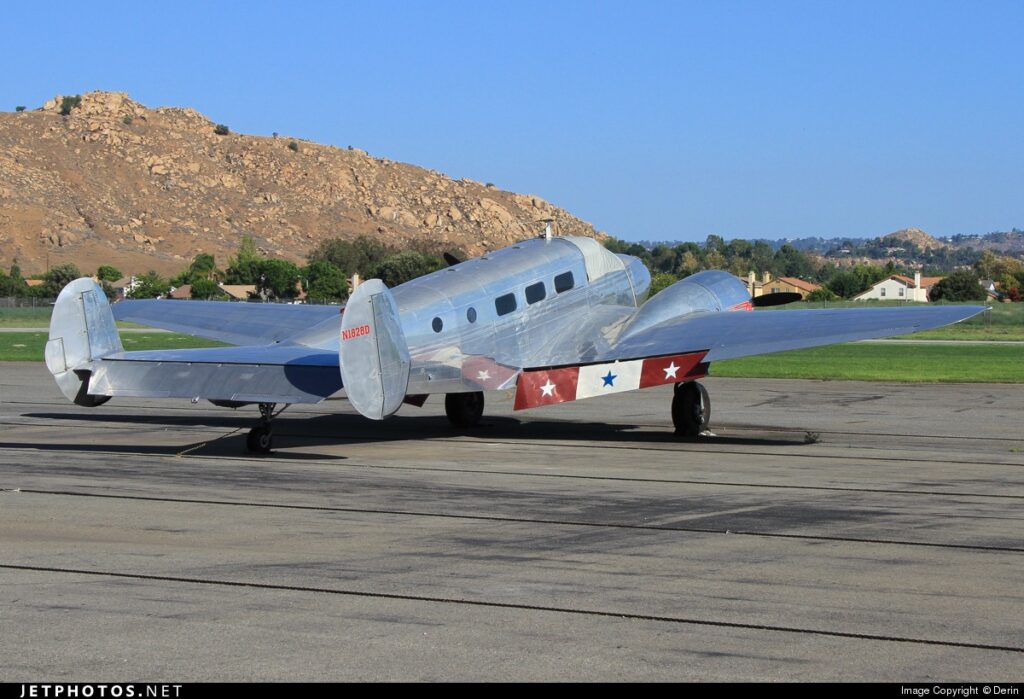
Twin Beech N1828D (file photo)
(c) jetphotos.net

Filed Under: 76-100, Airplane ME Piston, Complete

McDonnell Douglas MD-11

January 23, 2025 by Bob Stoney Leave a Comment

Aircraft Information
> Aircraft Make: McDonnell Douglas Model: MD-11 Nickname: Trijet?
> Aircraft Mil Civ Description: Large Jet
> FAA Category and Class: Airplane Multi-engine Land
> Engine Description: tri jet

Aircraft Experience
> As of: 9/2/2021
> Number of Hours Flown: 1
> Number of Times Flown: 1
> Other Aircraft Models Associated: NASA PCA (Propulsion Controlled Aircraft), MD-12, DC-10

First Flown Information
> Sequence First Flown: 83
> Date First Flown: 11/29/1995
> Location First Flown: Edwards AFB, CA (KEDW)
> Who and/or What Organization First Flown With: NASA, Gordon Fullerton

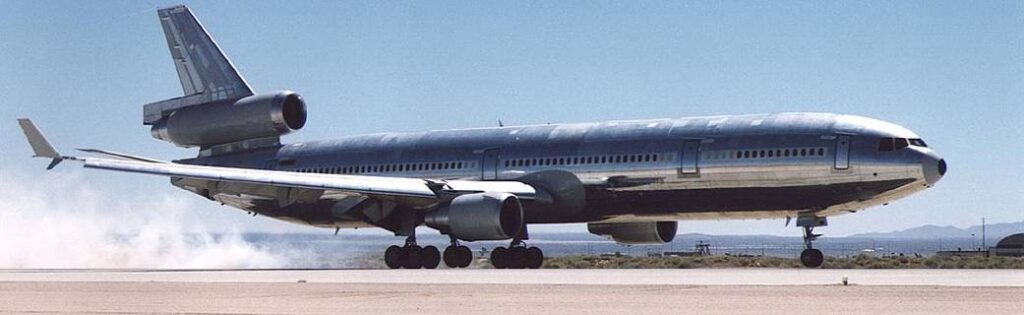
Recollections: My flight in the MD-11 (the only McDonnell Douglas product I think I’ve ever flown) was unique for two major reasons:

(1) the airplane I flew was a research airplane configured to fly using “propulsion control” only.  This “Propulsion Controlled Aircraft” (PCA) utilized asymmetric thrust between the two wing-mounted engines to yaw (and therefore roll) the airplane and differential thrust between those engines and the tail-mounted engines to pitch the airplane.  All were controlled thru the autopilot controller, using a NASA-designed algorithm.  I think this concept was envisioned as a result of the 1989 United Airlines DC-10 Flight 232 accident in Sioux City and the hope that an emergency backup system could be developed to prevent accidents like that one from reoccurring.  For more details on this interesting project, go to this link.

(2) The NASA pilot for my flight was Gordon Fullerton.  Gordon was one of the most famous test pilots and it was a joy to fly with someone so competent, so humble.  A true “Gentleman Test Pilot”.

NASA MD-11 Propulsion Controlled Aircraft (PCA)
(c) nasa.gov

The PCA was conducting trials with a number of pilots, to evaluate the concept.  I’m not sure how I heard about it but I ended up getting the opportunity to go to Edwards for a flight.  The maneuvers consisted of simple maneuvering in the air (altitude changes/captures/maintenance, roll tasks, etc) and finished with an approach and landing.  All utilizing the Mode Control Panel (MCP) to control the PCA’s flight path using the autopilot’s links to the thrust.  The landing on Edwards runway as probably smoother than I could’ve done hand-flying.  In the end this remained only a concept, probably owing to the fact that it would only work on a tri-jet like the MD-11, DC-10 (needed that high, tail-mounted engine for pitch control).

Filed Under: 76-100, Complete, Large Jet

Boeing KC-135 Stratotanker

January 23, 2025 by Bob Stoney Leave a Comment

Aircraft Information
> Aircraft Make: Boeing. Model: KC-135. Nickname: Stratotanker
> Aircraft Mil Civ Description: Large Jet
> FAA Category and Class: Airplane multi-engine land
> Engine Description: Quad jet

Aircraft Experience
> As of: 9/2/2021
> Number of Hours Flown: 1
> Number of Times Flown: 1
> Other Aircraft Models Associated: n/a

First Flown Information
> Sequence First Flown: 98
> Date First Flown: 7/29/1998
> Location First Flown: NAS Patuxent River, MD (KNHK)
> Who and/or What Organization First Flown With: USAF Flight Test (on a USAFTPS field trip)

Recollections: My brother flew these airplanes for many years in the USAF and when one came to  NAS Patuxent River (serving as transportation for a USAFTPS class on their field trip), I had the opportunity to finally fly this venerable airplane.

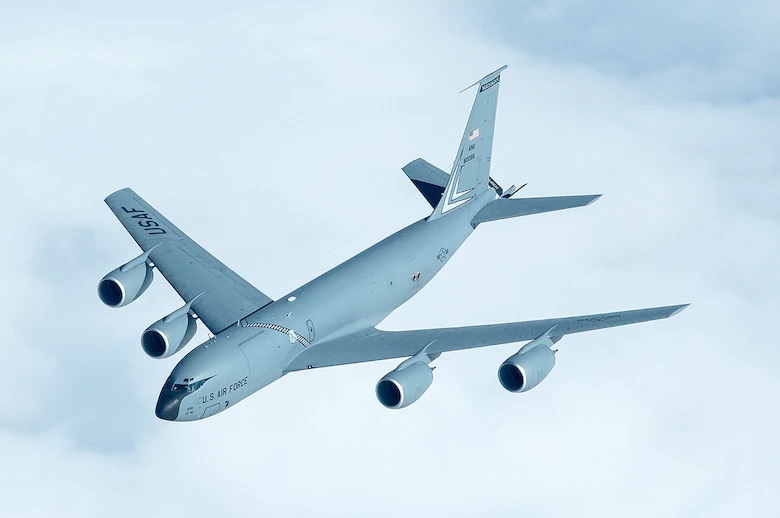
My time in the seat was relatively short but–since we were flying with a USAF test pilot–we were able to do stalls and patterns.  My second landing pattern was conducted with the stability augmentation system off and it was then I got to see the famous “dutch roll” characteristics of this machine (and why that SAS was so critical).  I was doing ok until I got in close to the runway, when the magnitude of the roll (the dutch roll on the KC-135 has a very high roll-to-yaw ratio) excursions increased enough that I decided it was time to go around.  Great flight!

KC-135 (stock photo)
(c) af.mil

Filed Under: 76-100, Complete, Large Jet

Rockwell B-1B Lancer

January 6, 2025 by Bob Stoney Leave a Comment

Aircraft Information
> Aircraft Make: Rockwell International Model: B-1B. Nickname: Lancer
> Aircraft Mil Civ Description: Large Jet
> FAA Category and Class: Airplane Multi-engine Land
> Engine Description: Twin jet

Aircraft Experience
> As of: 10/4/2021
> Number of Hours Flown: 6
> Number of Times Flown: 1
> Other Aircraft Models Associated: None

First Flown Information
> Sequence First Flown: 97
> Date First Flown: 11/13/1997
> Location First Flown: Dyess AFB, TX
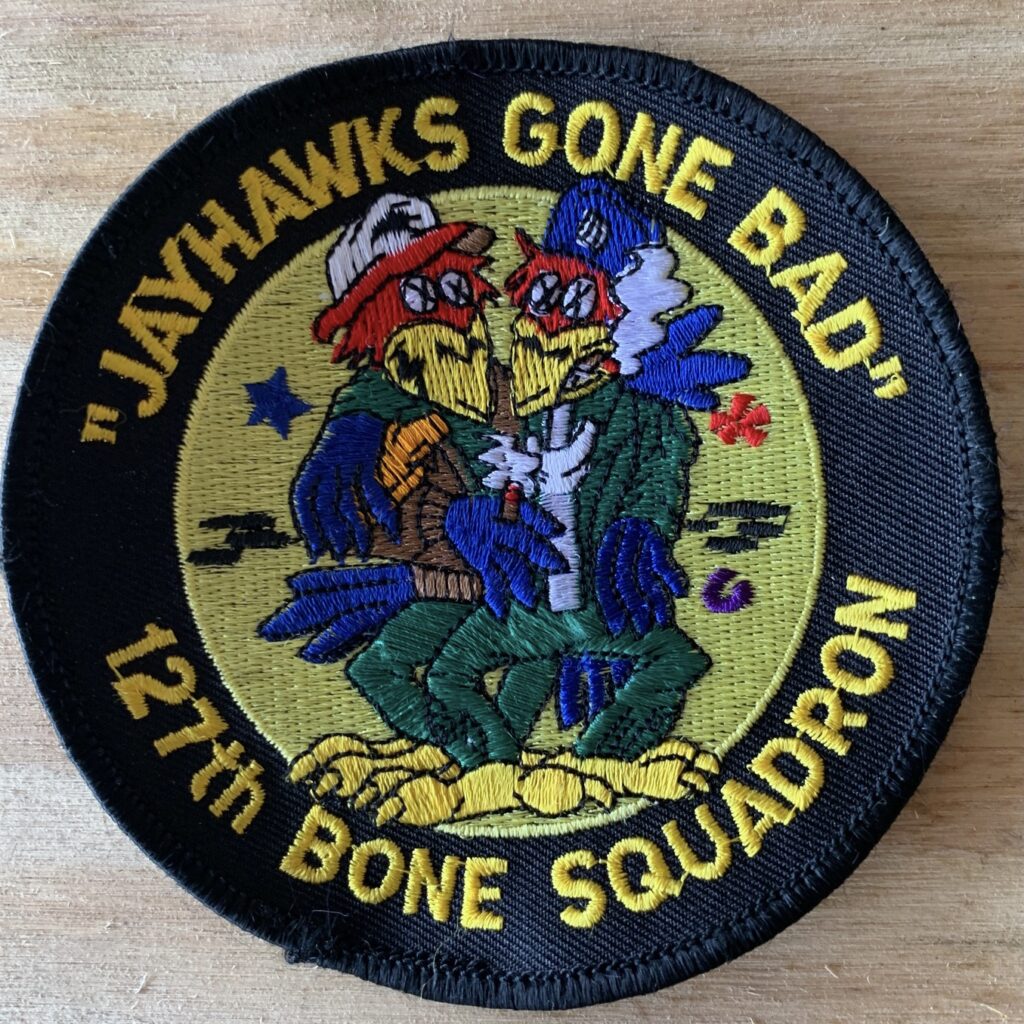
> Who and/or What Organization First Flown With: 127th Bomb Squadron

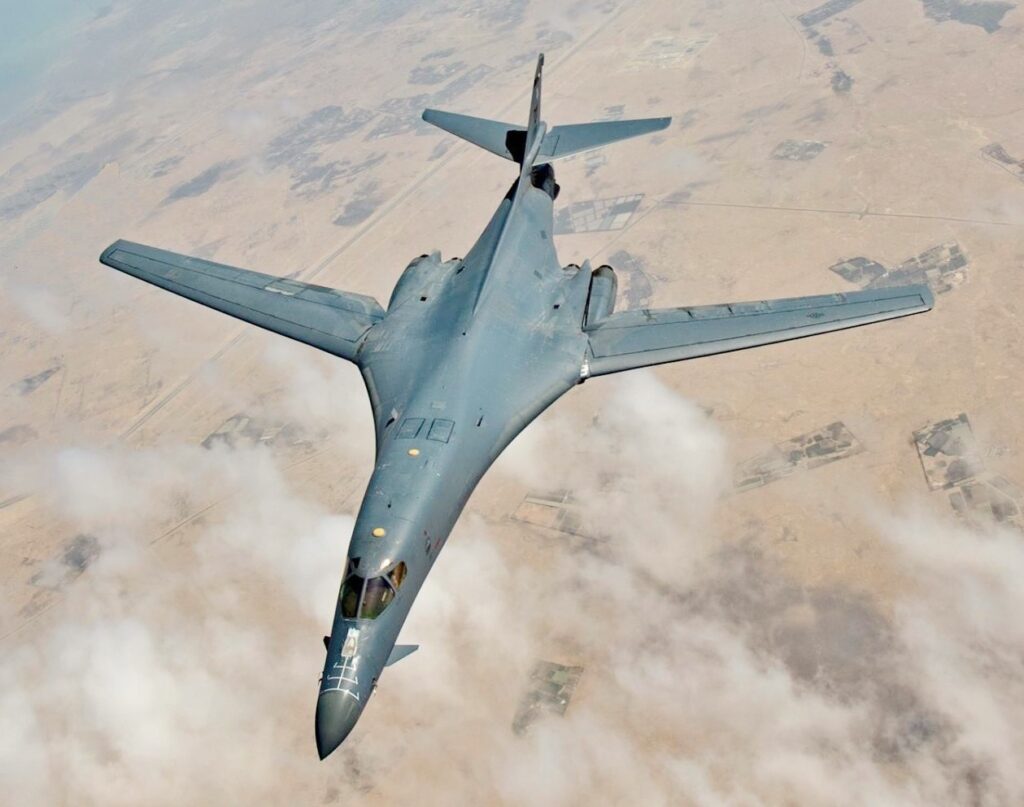
B-1B Lancer (Stock Photo)
(c) Wikipedia

Recollections:
Like many airplanes, I only flew the B-1 once–in this case I was the USNTPS staff monitor for a “DT-II” (the graduation exercise where Test Pilot School students are assigned to fly an airplane they’ve never flown before, they’re required to write a complete test plan, conduct several test flights and then write a huge report of their findings).  But, oh boy, what a flight it was.  I went low and fast, I got to refuel off an Air Force tanker, I got to do (simulated) bomb drops and I got to see how well the radar worked (I got out mid-flight to go back and see the radar image…probably not allowed to say too much but IT WAS REALLY IMPRESSIVE resolution).  Things I remember about this experience include the fact that it can’t go very high (mid, maybe upper 20’s…surprisingly low), that it can’t really “hack” icing very well, and that its system (ground following radar coupled to the autopilot, used at the same time as ground mapping radar) was incredible.  The people were incredible, too.  And the students passed their DT-II.

127th Bomb Squadron Patch
(c) Bob Stoney

Filed Under: 76-100, Large Jet

  • « Previous Page
  • 1
  • 2
  • 3

Recent Comments

  • Bob Stoney on Grumman OV-1 Mohawk
  • Brian Paul on Grumman OV-1 Mohawk
  • Bob Stoney on Raytheon 390 Premier I

Contact Me.

Click Here.

Visitor Count

9490

Copyright © 2026 · Outreach Pro on Genesis Framework · WordPress · Log in