Aircraft Information
> Aircraft Make: McDonnell-Douglas (Boeing) Model: F-18 Nickname: Hornet
> Aircraft Mil Civ Description: Tactical Jet
> FAA Category and Class: Airplane ME Land
> Engine Description: Twin jet
Aircraft Experience
> As of: 10/30/2024
> Number of Hours Flown: 107
> Number of Times Flown: 63
> Other Aircraft Models Associated: F-18A, B, C, D, E, F, G
First Flown Information
> Sequence First Flown: 24
> Date First Flown:4/1/1986
> Location First Flown: NAS Patuxent River, MD (KNHK)
> Who and/or What Organization First Flown With: Gary “Freeperson” Freeman, USNTPS IP
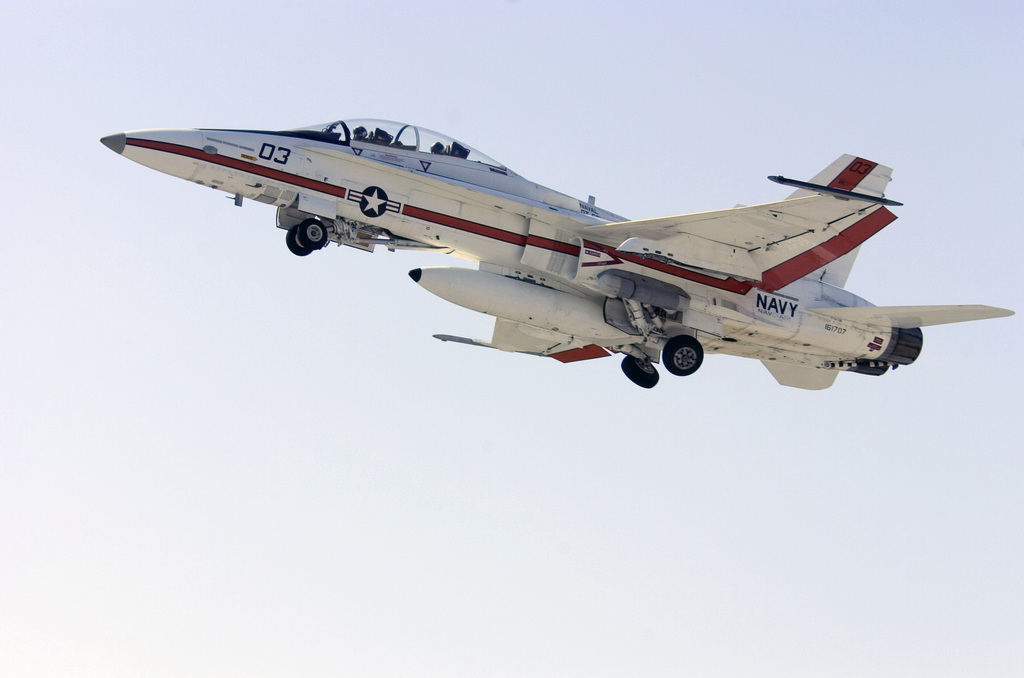
Recollections: The Hornet was the only airplane I flew in the Navy that required me to go to the Replacement Air Group (RAG) to fly (besides my initial fleet airplane, the P-3, of course). I suppose this was because the F-18 was considered so complex. In fact, it’s about as easy to operate as they come. I attended the RAG (VFA-105) in 1995 while enroute back to TPS to become the Chief Flight Instructor (CFI). As part of my CFI orders to USNTPS, I had been offered either an F-18 transition or a Helicopter transition. With apologies to my Hornet bubbas (some of my best friends are Hornet guys!), I kinda blew it and picked Hornets. It was probably the right call, as I doubt I would’ve been a very believable or useful Helo IP at TPS. Flying Helicopters is one thing, instructing in them at a Test Pilot School quite another. I eventually got there (being a Helo Test Pilot, at least as a journeyman) while working at the FAA, but I digress.
(c) US NAVY
Back to the Hornet…people always assume that the F-18 would be my favorite jet. Again with apologies to the Hornet community (this is becoming a trend), my summary of the Hornet is that it is an INCREDIBLE system…easy to fly, with a weapon system that is, well, INCREDIBLE. But, as a pilot, it always felt like a computer. That’s probably good, as it reduces pilot workload (so the pilot can concentrate on the aforementioned weapon systems), but it just doesn’t FEEL good. Feels like a computer. Sorry folks. I should add that I mostly flew B’s, and the really old ones at that. USNTPS (like the Blue Angels) typically gets the oldest airplanes in the Navy inventory, so that (rightfully so) the fleet has the latest/greatest.
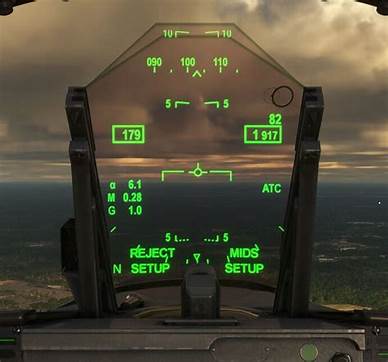
One story I like to tell about the Hornet was my FAM 1 (as a Student)…I was flying with an IP who was always great to fly with (“Freeperson”, later to become an accomplished and famous Test Pilot with Gulfstream). I see now that the date of my flight was April’s Fools Day 1985, which I guess is appropriate. By April, I was 4 months into my time as a TPS student and I had dozens of flights in multiple different jets….so I imagine I was feeling pretty full of myself. Meaning: comfortable in jets. I did have the habit of “armchair flying” but there’s only so much you can do in advance. And there was one little thing I’d overlooked. I selected the afterburners to start the takeoff roll, rotated (probably ‘cuzz Gary told me to?), got the gear up and I was on my way. The next step was to deselect Afterburner, which (if memory serves) you do passing around 250 knots indicated. But something didn’t seem quite right…. I was going only about 150 knots and climbing thru 300 feet. The jet just didn’t seem like it was accelerating…I then saw 200 knots and 500 feet, still with the AB’s lit. It was somewhere in here when Freeperson said (in a totally calm, almost bored tone) “you might wanna come out of blower”. It was then I realized I’d transposed the speed and altitude on the Hornet’s Heads Up Display (HUD)…and I was actually around 200 feet and (by the time I pulled back to Mil power) 550 knots! The Hornet HUD–in a Human Factors case study that was known at the time–has only digital information (no analog)…unlike, for example, the F-16 HUD. To my knowledge, Gary never told anyone about this (I have, lots of times). Learned several things that day: (1) human factors matter; (2) preparation is key (imagine if I’d just focused a bit more on the HUD depiction, which I had studied), and (3) Gary Freeman is a nice guy.
(c) Forums.flightsimulator.com
Filed Under: Tactical Jet, 1-25
Leave a Reply