teakettle31

A Site To Catalog My Aircraft Adventures

  • About
    • About This Website
    • About Me
    • About My Favorite Aircraft
  • Aircraft I’ve Flown Organized By…
    • Mil/Civ Type
      • Airplane Single-engine Piston
      • Airplane Multi-engine Piston
      • Airplane Single-engine Turboprop
      • Airplane Multi-engine Turboprop
      • Tactical Jets
      • Large Jets
      • Business Jets
      • Helicopters
      • Gliders
      • Lighter than air
      • Other
    • Order Flown
      • Order Flown: 1-25
      • Order Flown: 26-50
      • Order Flown: 51-75
      • Order Flown: 76-100
      • Order Flown 101-125
      • Order Flown: 126-150
      • Order Flown: 151-175
      • Order Flown: 176+
  • Other Content
    • Favorite Links
    • Documents
    • My Store
  • Flight Test Services

Cessna 177RG Cardinal

January 25, 2025 by Bob Stoney Leave a Comment

Aircraft Information
> Aircraft Make: Cessna Model: 177RG. Nickname: Cardinal
> Aircraft Mil Civ Description: Airplane SE Piston
> FAA Category and Class: Airplane Single Engine Land
> Engine Description: single piston

Aircraft Experience
> As of: 11/5/2024
> Number of Hours Flown: 20
> Number of Times Flown: 7
> Other Aircraft Models Associated: C-177 and C-177RG

First Flown Information
> Sequence First Flown: 79
> Date First Flown: 9/7/1992
> Location First Flown: Monterey, CA airport (KMRY)
> Who and/or What Organization First Flown With: Navy Monterey Flying Club

Recollections: Wikipedia has an excellent description of the Cardinal’s history, intended as a replacement for the C-172 Skyhawk.  There’s some great “test pilot stuff” in this wiki article.

While I didn’t write a technical report on the 177 from my 20 hours of flying it, I do remember thinking it was a bit more of a handful than the 172, particularly on landing.  I guess that’s why the 172 survives to this day, while the 177 was discontinued (albeit after almost 4300 were built, one-tenth as many as the 172).

For me, I flew the airplane as transportation to travel all over California while attending Navy Postgrad school in Monterey.  Much as I’d done during my tour at Moffett, I traveled fairly widely in California, which has to be one of the best places for personal flying in the world, owing to a tremendous variety of airports and generally predictable weather.
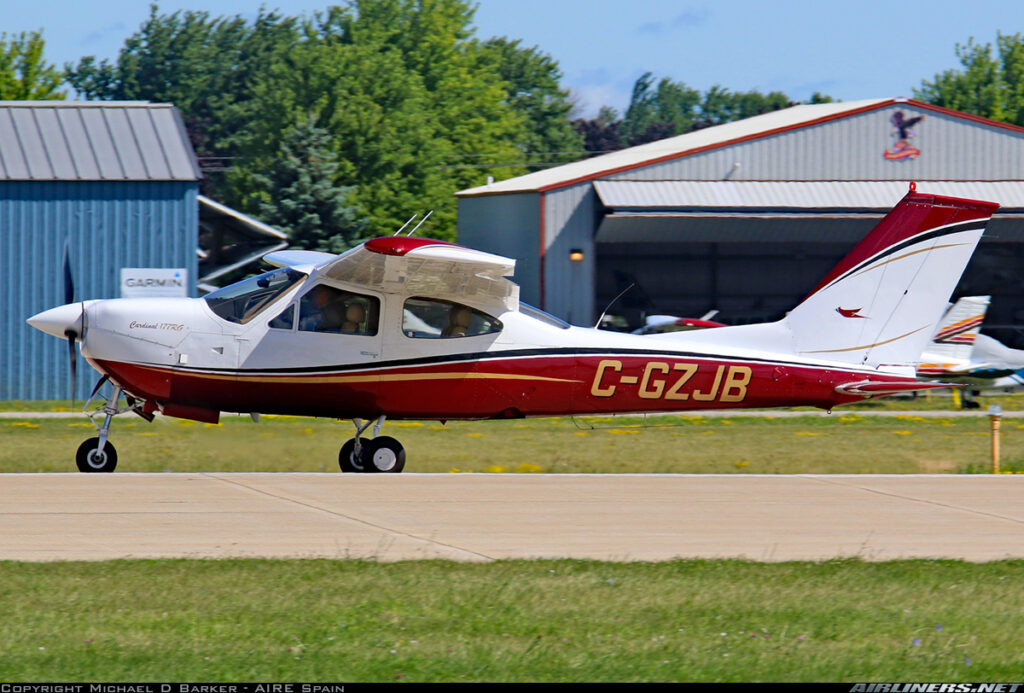
Cessna C-177RG Cardinal (stock photo)
(c) airliners.net

The C-177 I flew was an “RG” (Retractable Gear) model and I knew this was a setup for a gear-up landing (it’s a Cessna…the gear’s GOTTA be fixed, right?)  Luckily, I’m still in the “those who will” category (“there are two kinds of pilots: those who HAVE landed gear up and those that will”.  I live in fear of joining the “have” category…but I check the gear down at least twice every time I land, even in my fixed-gear Birddog). 
Filed Under: 76-100, Airplane SE Piston

Cessna 180/185 Skywagon

January 25, 2025 by Bob Stoney Leave a Comment

Aircraft Information
> Aircraft Make: Cessna. Model: 180/185. Nickname: Skywagon
> Aircraft Mil Civ Description: Airplane SE Piston
> FAA Category and Class: Airplane Single Engine Land (and Sea)
> Engine Description: single piston

Aircraft Experience
> As of: 11/5/2024
> Number of Hours Flown: 20
> Number of Times Flown: 63
> Other Aircraft Models Associated: C-180

First Flown Information
> Sequence First Flown: 89
> Date First Flown: 11/22/1996
> Location First Flown: NAS Patuxent River, MD (KNHK)
> Who and/or What Organization First Flown With: USNTPS Qual Eval (Seaplane from North Dakota State)

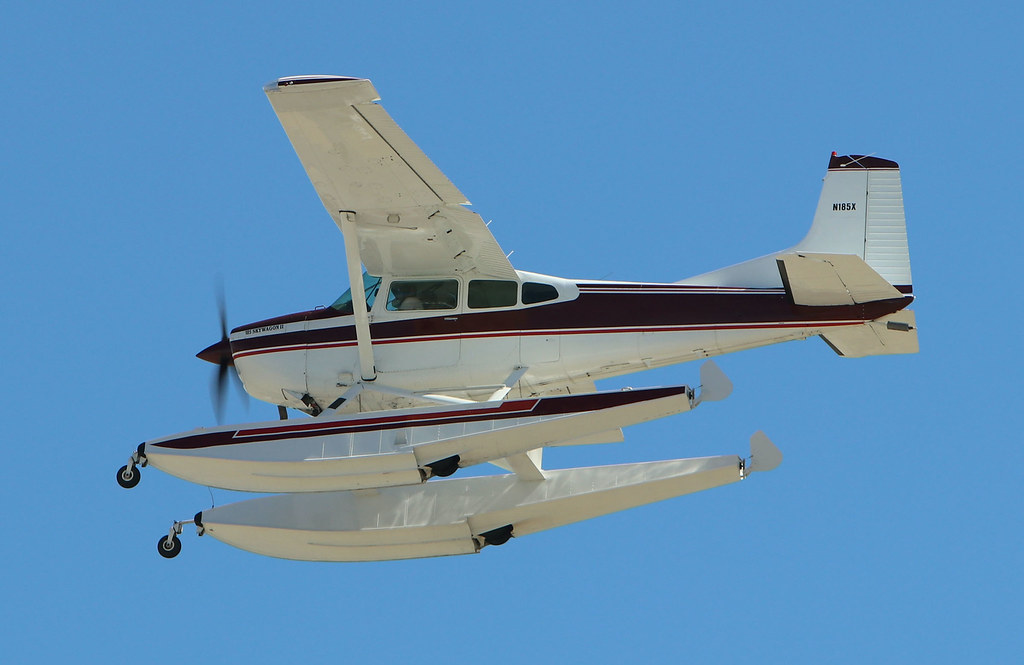
Recollections: My first flight in a C-185 was to fly with a Qual Eval with North Dakota State while assigned as the CFI at USNTPS.  The school hired a 185 Floatplane to come all the way out east and fly students (and staff). Not sure why we couldn’t find somebody closer (we also used the Department of Forestry’s Beaver from, I think, Minnesota). This may have been my first floatplane flight.

C-185 on floats (stock photo)
(c) flikr.com

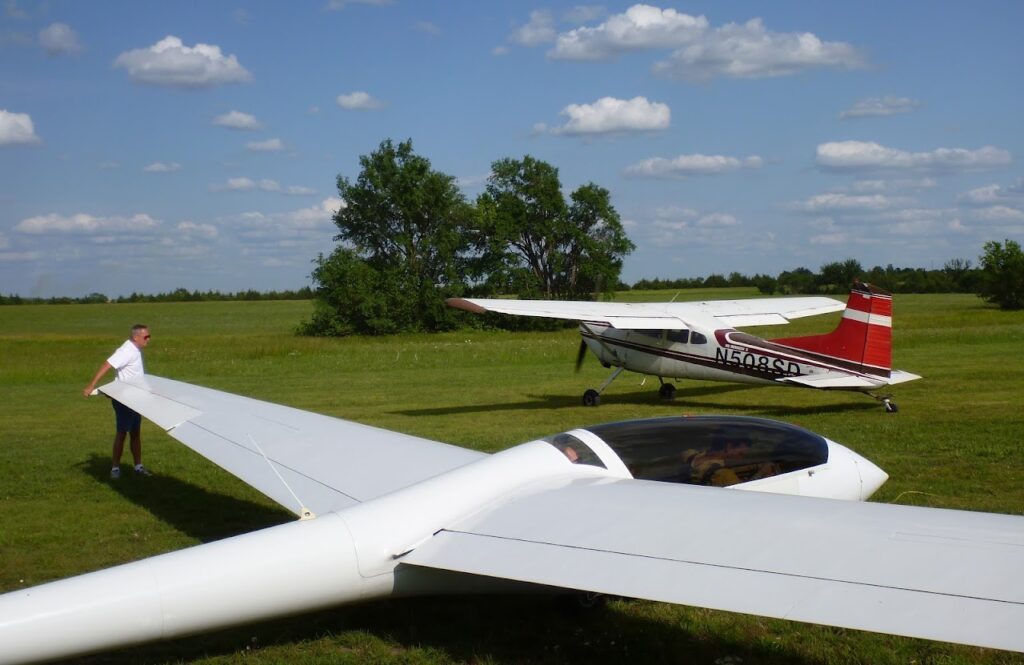
Next time was after retiring from the Navy and joining the FAA as a Test Pilot in their Wichita, KS office.  There I got checked out to tow gliders at McMaster Field, west of Wichita.  I don’t have a lot of time in the 185 but I believe it’s a wonderful airplane, honest handling and very capable. 

C-185 N508SD getting ready to tow at McMaster Field, Wichita, KS (stock photo)
(c) Wichita Glider Port

Filed Under: 76-100, Airplane SE Piston

Beechcraft T-34B Mentor

January 25, 2025 by Bob Stoney Leave a Comment

Aircraft Information
> Aircraft Make: Beechcraft. Model: T-34B. Nickname: Mentor
> Aircraft Mil Civ Description: Airplane SE Piston
> FAA Category and Class: Airplane Single Engine Land
> Engine Description: single piston

Aircraft Experience
> As of: 11/5/2024
> Number of Hours Flown: 21
> Number of Times Flown: 11
> Other Aircraft Models Associated:
D-45, Model 45; T-34C (turbine powered follow-on)

First Flown Information
> Sequence First Flown: 12
> Date First Flown: 6/23/1983
> Location First Flown: NAS Moffett Field, CA (KNUQ)
> Who and/or What Organization First Flown With: Navy Moffett Flying Club

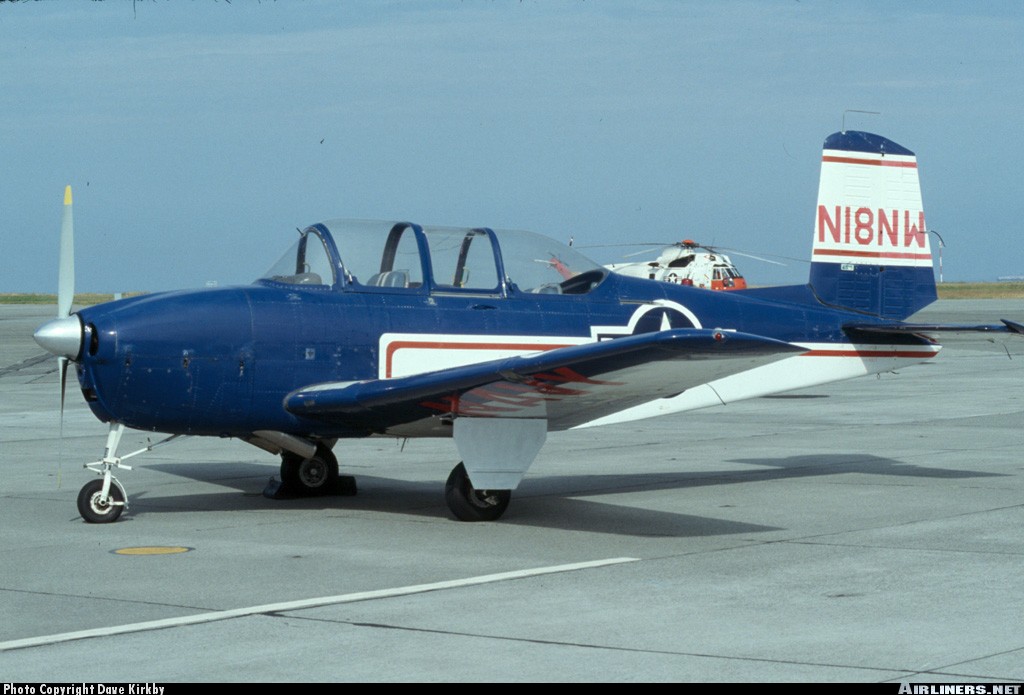
Recollections: While I hadn’t flown the T-34C (turbine) in flight school, I was excited about getting some experience in its older brother, the T-34B, powered by a 185 HP Continental recip.  This airplane was the first airplane flown by Student Naval Aviators (SNA) from about 1960 to 1975, in “primary”.  After this, SNA’s would then go to the T-28.   By the time I went to primary in 1980 you either flew the T-34C turbine-powered airplane or straight to the T-28.  As a “Trojan guy”, I was curious to explore whether the T-34B would’ve been a smarter first plane.  It certainly was easier to fly and probably a good lead-in to the Trojan but, based on my successful completion of primary in the T-28, I could see why the Navy had chosen to at least temporarily try “straight to the 28”.  

T-34B N18NW (stock photo)
(c) airliners.net

I flew the T-34B at three Navy Flying Clubs.  First NAS Moffett Field, CA (where I was in an operational P-3 squadron), then NAS Patuxent River, MD (TPS), and finally at the Monterey, CA airport (where I was in Postgraduate School).  At each location, I witnessed the retirement of the T-34B from flying club use and/or the total closing of the club.  It was a sad thing to watch…essentially the base commanders saw only risk and bad press and perhaps didn’t have enough civilian grass-roots flying experience to understand the huge value of flight training for Navy personnel.

Filed Under: 1-25, Airplane SE Piston

Grumman American AA-1A Yankee

January 24, 2025 by Bob Stoney Leave a Comment

Aircraft Information
> Aircraft Make: Grumman American. Model: AA-1A Nickname: Yankee
> Aircraft Mil Civ Description: Airplane SE Piston
> FAA Category and Class: Airplane Single Engine Land
> Engine Description: single piston

Aircraft Experience
> As of: 11/6/2024
> Number of Hours Flown: 23
> Number of Times Flown: 18
> Other Aircraft Models Associated: AA-5 Traveller (4 seater)

First Flown Information
> Sequence First Flown: 1. (my first airplane!)
> Date First Flown: 2/3/1974
> Location First Flown: Orange County, CA Airport (later John Wayne) KSNA
> Who and/or What Organization First Flown With: James S. Dearth, CFI, North American Aviation Flying Club

Recollections: This airplane, the first one in which I flew as Pilot-in-command (i.e. my first solo) was chosen as my first airplane in consultation with my instructor, James S. Dearth.  Please see also my description and appreciation for Mr. Dearth in the “About Me” section of this website.

I recall choosing the AA-1, over the Cessna 150 (both were available at the North American Flying Club at the John Wayne/Santa Ana airport) because Mr. Dearth advised that it was “harder to fly than the 150 and, therefore, you’ll become a better pilot.”   

In 1974 (when I started my flight training and solo’d), there was no Wikipedia or internet.  If there HAD been, I might’ve done some research and picked differently.  Wikipedia points out:

The original American Aviation AA-1 Yankee developed a poor reputation for safety in its first years of production (1969–71). The aircraft was designed purely to fill the role of a personal transportation and touring aircraft and not a trainer, but many of the early production models were purchased by flying schools. The appeal of the AA-1 to schools was obvious – compared to the competition, the AA-1 was faster, cost less to purchase and maintain and, most importantly, had more student-appeal with its sliding canopy and fighter-like looks.

Many of the early school accidents were related to spin-training. Once the AA-1 entered a fully developed spin and exceeded three turns, it was usually not recoverable. The AA-1 had been spin-tested as part of its certification, but in 1973 the FAA issued Airworthiness Directive 73-13-07 ordering the aircraft placarded against spins.

The remaining accidents were generally attributed to the AA-1’s short endurance (3.3 hours), inability to use short grass strips and high approach speeds (85–90 mph). These were all different from the other school aircraft in use in that era and took some adaptation by instructors and students alike.

Despite this current Wiki take on the airplane (which was developed from a homebuilt, the BD-1, famous Jim Bede’s first design, although no kits were ever produced), I’m glad I chose the AA-1 and remember feeling proud I could handle this “harder airplane”.  

Here’s some stats on my training:

–First training flight: February 3, 1974

   –Flew aproximately every week

   –On April 29, after 14 flights, 16.8 flight hours and 54 landings, Mr. Dearth tells me: “You’re doing great, next weekend I’m going to do a couple of landings with you, then get out and you’re going to solo.”

   –the next lesson came around (Thursday May 2, 1974).  I had thought ALL week about my solo and, man, was I nervous!  I flew May 2 with Mr. Dearth and, well, I was awful, especially landings.  Mr. Dearth: “Well, I over-estimated your skills, you’re really NOT ready to solo.  In fact, I believe it will be about 5 more lessons, at least, before you’re ready.  Let’s get started on those lessons this Sunday.”

   –so, I showed up Sunday May 5, 1974 and started the next lesson.  After one or two trips around the landing pattern, Mr. Dearth says: “Pull off over there by that taxiway sign.”  I do as requested, he gets out and says “Go give me 3 good ones, by yourself.”  Huh?  Huh!  And I did.  I remember the plane climbing what felt like an F-4 in afterburner.  I did 4 more good patterns and proved to myself that–in many cases–I was my own worst enemy..the nervousness had hurt my performance the week before.  Mind over matter lesson #1 in my aviation career!  I was 16 years old.

I did my last solo flight that June, didn’t have enough hours for a license, and moved with my family all the way across the country to Washington, DC.  The next time I solo’d was in the T-28 while attached to Training Squadron 6 at Whiting Field.  Why did I spend the last two years of high school and 4 years in college without flying?  To be honest, I don’t remember.  It wasn’t that I didn’t want to, but the circumstances weren’t right (or I didn’t make them right).  But, I never lost the passion, the goal.  A goal I’d had since I could remember…to become a pilot.

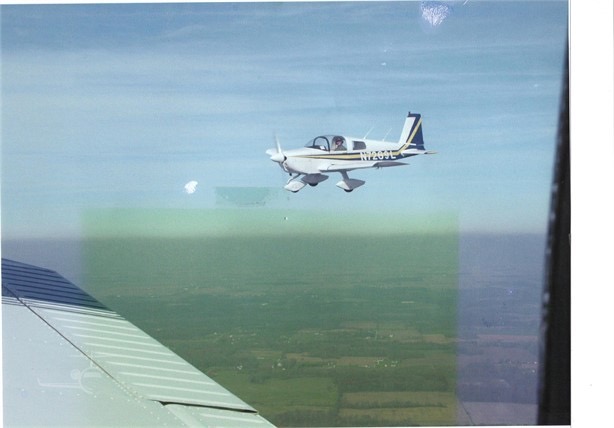
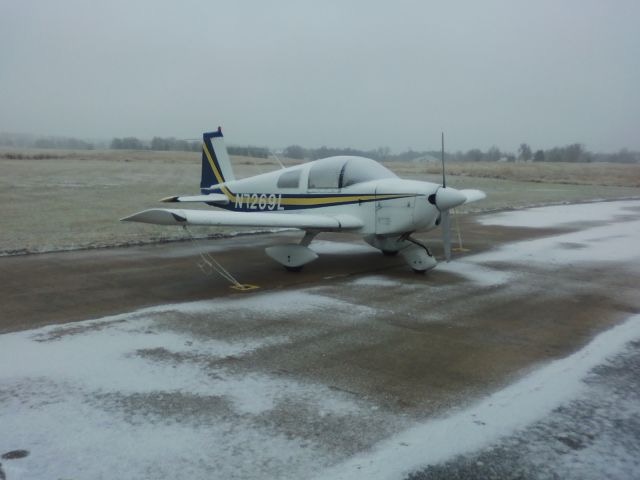
Writing this got me wondering “where is the airplane I first solo’d?”  I found a 2022 accident description, and a couple of photos.  And the owner appears to live in New Mexico.  Next time I’m down that way, I’ll go see if I can find her.  Till then, the status my “first girlfriend” will remain a mystery.  

The first photo I could find of N7269L
(c) aircraft.com
The 2nd photo I could find of N7269L
(c) flightaware.com

Filed Under: 1-25, Airplane SE Piston

Cessna 206 Stationair

January 24, 2025 by Bob Stoney Leave a Comment

Aircraft Information
> Aircraft Make: Cessna. Model: 206. Nickname: Stationair
> Aircraft Mil Civ Description: Airplane SE Piston
> FAA Category and Class: Airplane Single Engine Land
> Engine Description: single piston

Aircraft Experience
> As of: 11/4/2024
> Number of Hours Flown: 63
> Number of Times Flown: 34
> Other Aircraft Models Associated: Cessna 205

First Flown Information
> Sequence First Flown: 8
> Date First Flown: 11/19/1981
> Location First Flown: NAS Moffett Field, CA (KNUQ)
> Who and/or What Organization First Flown With: Navy Moffett Flying Club

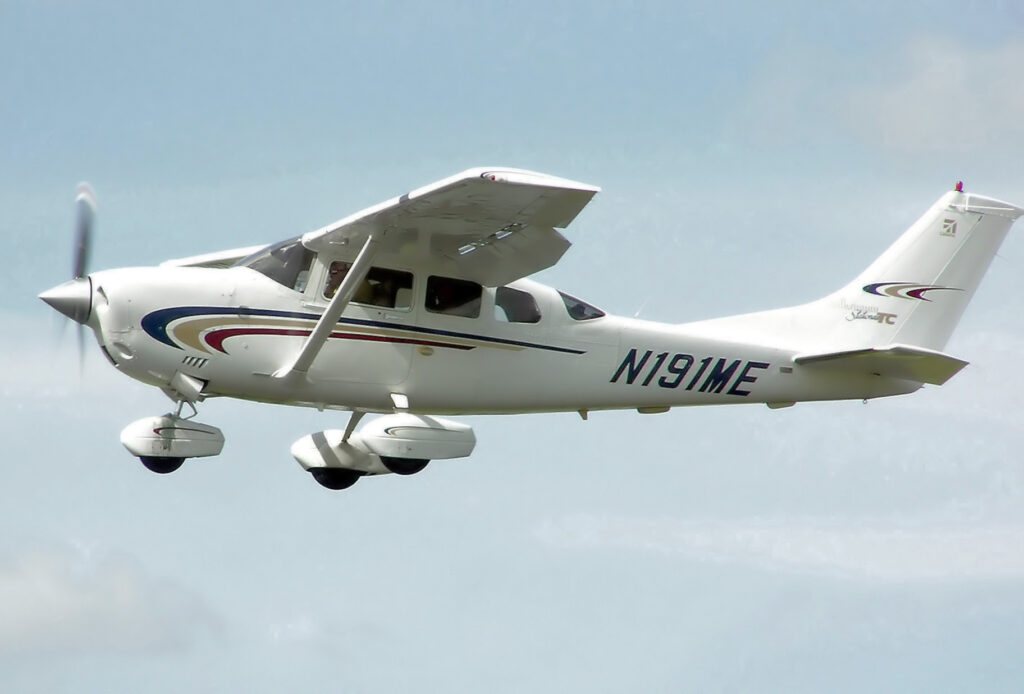
Recollections: The 206 Stationair is the “pickup truck” of the Cessna line.  Depending on the particular year (the newer ones were typically heavier) you can put 5 or 6 adults in it and still have decent range.  My first experience with the 206 was a checkout in one at the Navy Flying Club when I was flying P-3’s at NAS Moffett.  We took the airplane on several trips, including a camping trip with two other couples with the intention of going to Catalina Island.  We didn’t make it due to weather, and spent the weekend in the rain at a different airport.  

Cessna 206 Stationair (stock photo)
(c) Wikipedia.com

I later flew the 206 on Production audits at Cessna, as a Night Vision Device (NVIS) training in Boise, ID and as a rental airplane in Seattle.  The 206 has noticeably more power (it’s a great step up for someone who learns in the 172; requires quite a bit of right rudder), and flies heavier (but still honestly) than its lighter brothers.  The biggest thing to remember is on landing, you really have to wait for and pull the nose up noticeably in the landing flare, or else you’ll touchdown nosegear first, which puts strain on the engine firewall.  Wait for it, pull it up and keep pulling higher than you’d ever think.

Filed Under: 1-25, Airplane SE Piston

  • « Previous Page
  • 1
  • …
  • 4
  • 5
  • 6
  • 7
  • 8
  • 9
  • Next Page »

Recent Comments

  • Brian Paul on OV-1
  • Bob Stoney on Raytheon 390 Premier I

Contact Me.

Click Here.

Visitor Count

7796

Copyright © 2026 · Outreach Pro on Genesis Framework · WordPress · Log in