teakettle31

A Site To Catalog My Aircraft Adventures

  • About
    • About This Website
    • About Me
    • About My Favorite Aircraft
  • Aircraft I’ve Flown Organized By…
    • Mil/Civ Type
      • Airplane Single-engine Piston
      • Airplane Multi-engine Piston
      • Airplane Single-engine Turboprop
      • Airplane Multi-engine Turboprop
      • Tactical Jets
      • Large Jets
      • Business Jets
      • Helicopters
      • Gliders
      • Lighter than air
      • Other
    • Order Flown
      • Order Flown: 1-25
      • Order Flown: 26-50
      • Order Flown: 51-75
      • Order Flown: 76-100
      • Order Flown 101-125
      • Order Flown: 126-150
      • Order Flown: 151-175
      • Order Flown: 176+
  • Other Content
    • Favorite Links
    • Documents
    • My Store
  • Flight Test Services

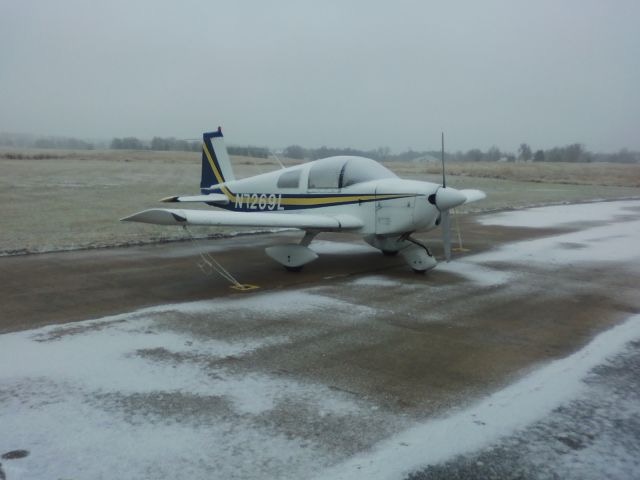
Grumman American AA-1A Yankee

January 24, 2025 by Bob Stoney Leave a Comment

Aircraft Information
> Aircraft Make: Grumman American. Model: AA-1A Nickname: Yankee
> Aircraft Mil Civ Description: Airplane SE Piston
> FAA Category and Class: Airplane Single Engine Land
> Engine Description: single piston

Aircraft Experience
> As of: 11/6/2024
> Number of Hours Flown: 23
> Number of Times Flown: 18
> Other Aircraft Models Associated: AA-5 Traveller (4 seater)

First Flown Information
> Sequence First Flown: 1. (my first airplane!)
> Date First Flown: 2/3/1974
> Location First Flown: Orange County, CA Airport (later John Wayne) KSNA
> Who and/or What Organization First Flown With: James S. Dearth, CFI, North American Aviation Flying Club

Recollections: This airplane, the first one in which I flew as Pilot-in-command (i.e. my first solo) was chosen as my first airplane in consultation with my instructor, James S. Dearth.  Please see also my description and appreciation for Mr. Dearth in the “About Me” section of this website.

I recall choosing the AA-1, over the Cessna 150 (both were available at the North American Flying Club at the John Wayne/Santa Ana airport) because Mr. Dearth advised that it was “harder to fly than the 150 and, therefore, you’ll become a better pilot.”   

In 1974 (when I started my flight training and solo’d), there was no Wikipedia or internet.  If there HAD been, I might’ve done some research and picked differently.  Wikipedia points out:

The original American Aviation AA-1 Yankee developed a poor reputation for safety in its first years of production (1969–71). The aircraft was designed purely to fill the role of a personal transportation and touring aircraft and not a trainer, but many of the early production models were purchased by flying schools. The appeal of the AA-1 to schools was obvious – compared to the competition, the AA-1 was faster, cost less to purchase and maintain and, most importantly, had more student-appeal with its sliding canopy and fighter-like looks.

Many of the early school accidents were related to spin-training. Once the AA-1 entered a fully developed spin and exceeded three turns, it was usually not recoverable. The AA-1 had been spin-tested as part of its certification, but in 1973 the FAA issued Airworthiness Directive 73-13-07 ordering the aircraft placarded against spins.

The remaining accidents were generally attributed to the AA-1’s short endurance (3.3 hours), inability to use short grass strips and high approach speeds (85–90 mph). These were all different from the other school aircraft in use in that era and took some adaptation by instructors and students alike.

Despite this current Wiki take on the airplane (which was developed from a homebuilt, the BD-1, famous Jim Bede’s first design, although no kits were ever produced), I’m glad I chose the AA-1 and remember feeling proud I could handle this “harder airplane”.  

Here’s some stats on my training:

–First training flight: February 3, 1974

   –Flew aproximately every week

   –On April 29, after 14 flights, 16.8 flight hours and 54 landings, Mr. Dearth tells me: “You’re doing great, next weekend I’m going to do a couple of landings with you, then get out and you’re going to solo.”

   –the next lesson came around (Thursday May 2, 1974).  I had thought ALL week about my solo and, man, was I nervous!  I flew May 2 with Mr. Dearth and, well, I was awful, especially landings.  Mr. Dearth: “Well, I over-estimated your skills, you’re really NOT ready to solo.  In fact, I believe it will be about 5 more lessons, at least, before you’re ready.  Let’s get started on those lessons this Sunday.”

   –so, I showed up Sunday May 5, 1974 and started the next lesson.  After one or two trips around the landing pattern, Mr. Dearth says: “Pull off over there by that taxiway sign.”  I do as requested, he gets out and says “Go give me 3 good ones, by yourself.”  Huh?  Huh!  And I did.  I remember the plane climbing what felt like an F-4 in afterburner.  I did 4 more good patterns and proved to myself that–in many cases–I was my own worst enemy..the nervousness had hurt my performance the week before.  Mind over matter lesson #1 in my aviation career!  I was 16 years old.

I did my last solo flight that June, didn’t have enough hours for a license, and moved with my family all the way across the country to Washington, DC.  The next time I solo’d was in the T-28 while attached to Training Squadron 6 at Whiting Field.  Why did I spend the last two years of high school and 4 years in college without flying?  To be honest, I don’t remember.  It wasn’t that I didn’t want to, but the circumstances weren’t right (or I didn’t make them right).  But, I never lost the passion, the goal.  A goal I’d had since I could remember…to become a pilot.

Writing this got me wondering “where is the airplane I first solo’d?”  I found a 2022 accident description, and a couple of photos.  And the owner appears to live in New Mexico.  Next time I’m down that way, I’ll go see if I can find her.  Till then, the status my “first girlfriend” will remain a mystery.  
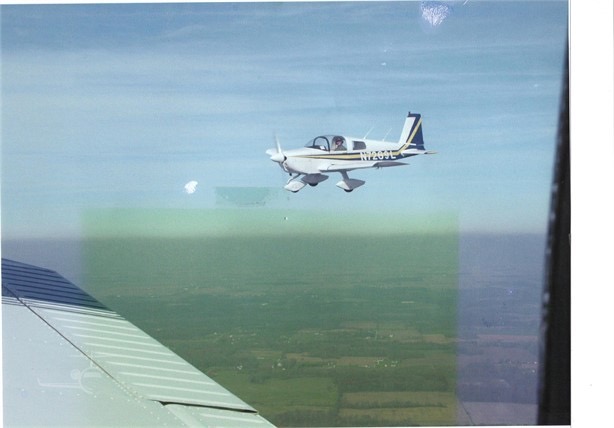
The first photo I could find of N7269L
(c) aircraft.com
The 2nd photo I could find of N7269L
(c) flightaware.com

Filed Under: 1-25, Airplane SE Piston

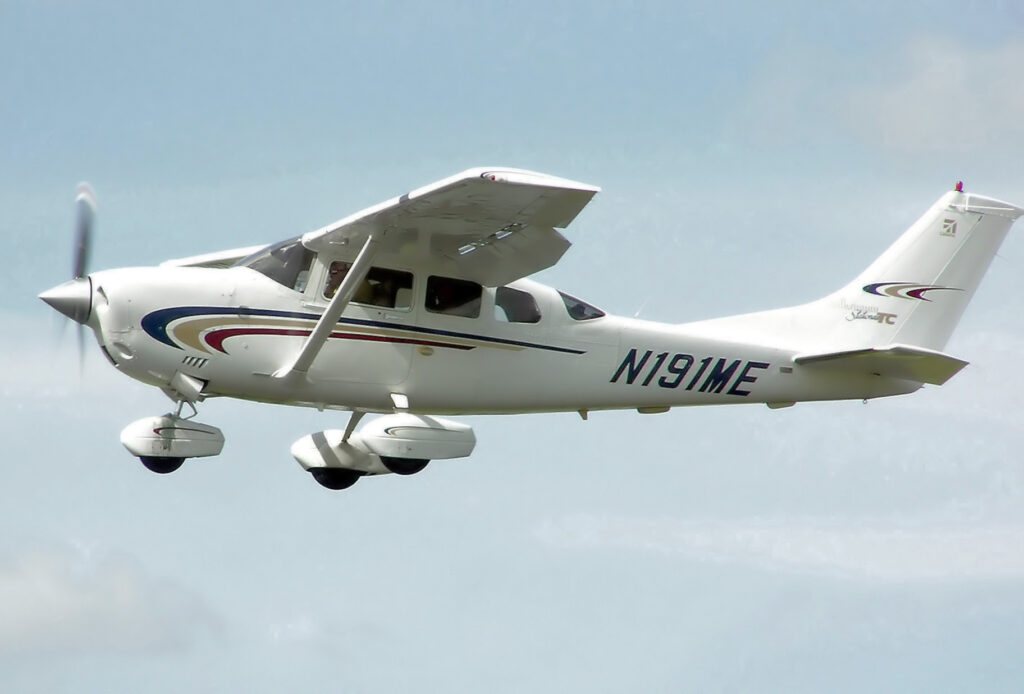
Cessna 206 Stationair

January 24, 2025 by Bob Stoney Leave a Comment

Aircraft Information
> Aircraft Make: Cessna. Model: 206. Nickname: Stationair
> Aircraft Mil Civ Description: Airplane SE Piston
> FAA Category and Class: Airplane Single Engine Land
> Engine Description: single piston

Aircraft Experience
> As of: 11/4/2024
> Number of Hours Flown: 63
> Number of Times Flown: 34
> Other Aircraft Models Associated: Cessna 205

First Flown Information
> Sequence First Flown: 8
> Date First Flown: 11/19/1981
> Location First Flown: NAS Moffett Field, CA (KNUQ)
> Who and/or What Organization First Flown With: Navy Moffett Flying Club

Recollections: The 206 Stationair is the “pickup truck” of the Cessna line.  Depending on the particular year (the newer ones were typically heavier) you can put 5 or 6 adults in it and still have decent range.  My first experience with the 206 was a checkout in one at the Navy Flying Club when I was flying P-3’s at NAS Moffett.  We took the airplane on several trips, including a camping trip with two other couples with the intention of going to Catalina Island.  We didn’t make it due to weather, and spent the weekend in the rain at a different airport.  

Cessna 206 Stationair (stock photo)
(c) Wikipedia.com

I later flew the 206 on Production audits at Cessna, as a Night Vision Device (NVIS) training in Boise, ID and as a rental airplane in Seattle.  The 206 has noticeably more power (it’s a great step up for someone who learns in the 172; requires quite a bit of right rudder), and flies heavier (but still honestly) than its lighter brothers.  The biggest thing to remember is on landing, you really have to wait for and pull the nose up noticeably in the landing flare, or else you’ll touchdown nosegear first, which puts strain on the engine firewall.  Wait for it, pull it up and keep pulling higher than you’d ever think.

Filed Under: 1-25, Airplane SE Piston

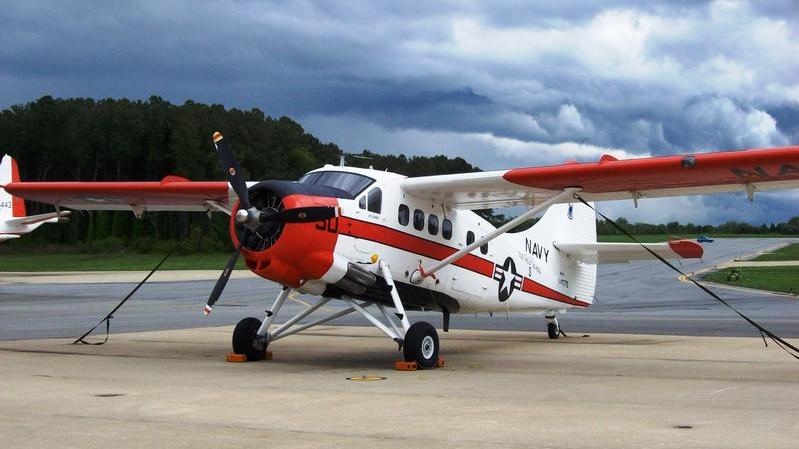
DeHavilland DHC-3 Otter

January 24, 2025 by Bob Stoney Leave a Comment

Aircraft Information
> Aircraft Make: DeHavilland. Model: DHC-3. Nickname: Otter
> Aircraft Mil Civ Description: Airplane SE Piston
> FAA Category and Class: Airplane Single Engine Land (and Sea)
> Engine Description: single piston (radial)

Aircraft Experience
> As of: 11/4/2024
> Number of Hours Flown: 41
> Number of Times Flown: 26
> Other Aircraft Models Associated: Turbine Otter (never flown one)

First Flown Information
> Sequence First Flown: 21
> Date First Flown: 3/11/1986
> Location First Flown: NAS Patuxent River, MD (KNHK)
> Who and/or What Organization First Flown With: USNTPS, Chris Wheal

USNTPS NU-1B DeHavilland Otter (DHC-3; Stock photo)
(c) US Navy

Recollections: The NU-1B (DHC-3) Otter, lovingly called “The Nub” at USNTPS, served the same mission at TPS as the U-6 Beaver about which I’ve written extensively.  The Otter is MUCH bigger (just remember: “The big airplane is the smaller animal”) and noticeably less powerful (considering it’s higher weight).  I flew the Otter way less than the Beaver.  

These two designs, by the same company, fly very differently.  It starts on the ground.  The Otter has a powered tailwheel system which is locked for takeoff (as opposed to the Beaver’s manually steerable tailwheel which doesn’t lock).  The Otter’s powered system lags, which causes some tendency for a pilot induced oscillation when just taxiing and, I’m sure, would be really bad were it retained for takeoff and landing (instead of locking it).  You also need to make sure it’s not too windy out when you go flying, as the Otter can easily get STUCK on the ground, owing to the huge side area of it’s fuselage, combined with the relatively ineffective tailwheel steering.

On landing, the Beaver is a sweet 3 point landing airplane…you have good pitch control all the way throughout the landing flare.  On the other hand, if you try a 2 point or “wheeler”, the Beaver will typically skip back into the air, requiring the pilot to “stick the landing”, by pushing forward in what is an uncomfortable application of the pitch control.   The Otter?  Totally different.  It loves to wheel-land, absorbing much of the force of a harder landing caused by pilot technique.  But, if you want to 3 point a landing in the Otter, you have to enter the initial flare at exactly the right altitude and airspeed and then, just as the airplane starts to enter the final flare, you make essentially a full aft yoke input and pray it was exactly at the right time.  Usually it’s not, causing a “ker-flump”, and the feeling and look of a poor landing by a gooney bird. Lots of stuff to write about in the Otter, which makes it a wonderful airplane for the USNTPS curricula.

Filed Under: 1-25, Airplane SE Piston

Piper PA-18 Super Cub

January 24, 2025 by Bob Stoney Leave a Comment

Aircraft Information
> Aircraft Make: Piper. Model: PA-18. Nickname: Super Cub
> Aircraft Mil Civ Description: Airplane SE Piston
> FAA Category and Class: Airplane Single Engine Land (and Sea)
> Engine Description: single piston

Aircraft Experience
> As of: 11/4/2024
> Number of Hours Flown: 94
> Number of Times Flown: 47
> Other Aircraft Models Associated: J-3, various L-birds

First Flown Information
> Sequence First Flown: 147
> Date First Flown: 6/4/2004
> Location First Flown: Kenmore Air Harbor, WA
> Who and/or What Organization First Flown With: Kenmore Air, Kevin Thomson

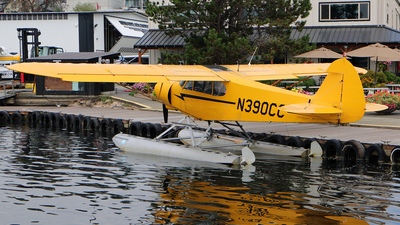
Recollections: This entry includes “Super Cubs” manufactured by Piper, as well as sijmilar-looking but newly made and improved Super Cubs built by Cubcrafters of Yakima, WA.  My Cubcrafters flying included certification flight tests and production audits.  

My first supercub flight was in a Seaplane at Kenmore Aviation.  

N390CC at Kenmore (Cubcrafters Super Cub)
(c) jetphotos.com

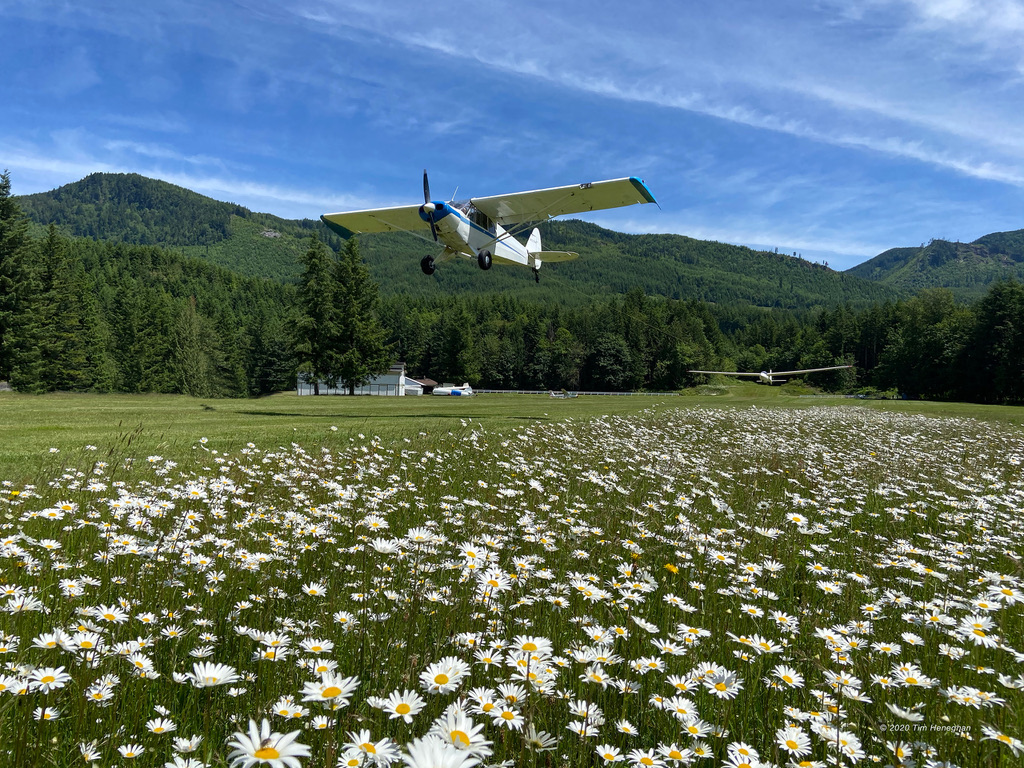
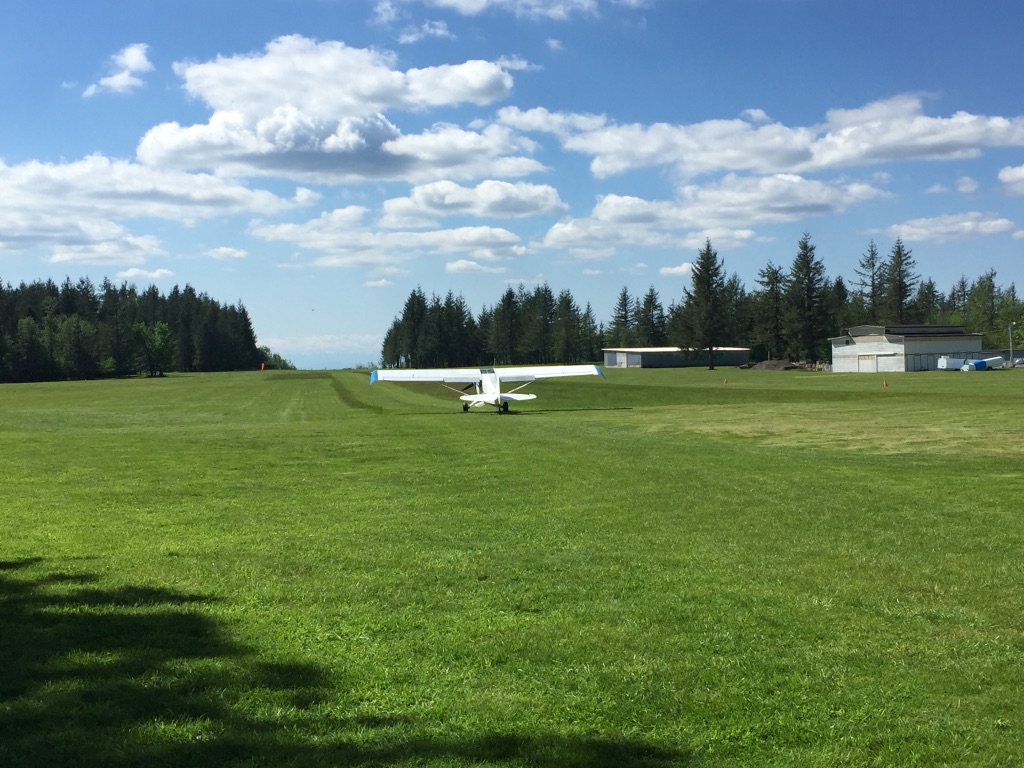
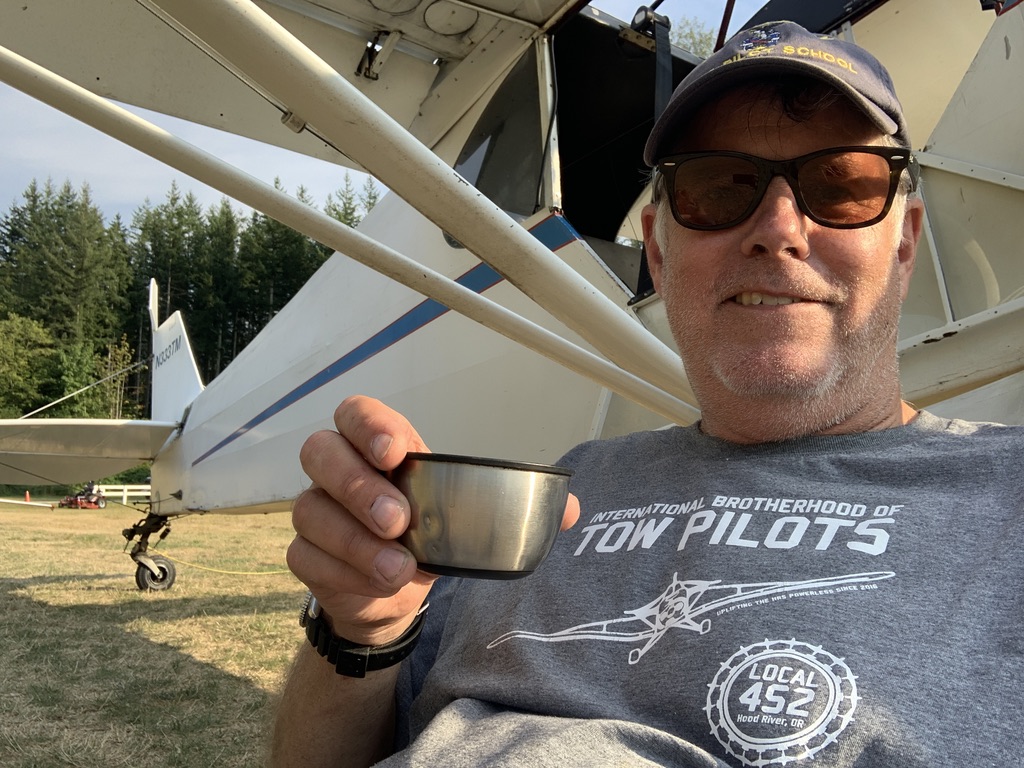
Most of my Super Cub flights are in one airplane, N333TM, a tow plane operated by the Puget Sound Soaring Association (PSSA), near my home in Seattle.  As of this writing, I’ve towed 311 gliders airborne and look forward to many more years of towing out of this gorgeous, one-way-in-opposite-way-out field nestled against the first line of ridges on the west side of the Cascade Mountains. My logbook shows 57 flights but that’s because flights are all lumped into one day when you’re doing tow operation. I’ve flown N333TM 45 times but done 311 tows.

Piper PA-18 Tow plan N333TM glider in tow at Bergseth
(c) pugetsoundsoaring
Bergseth Field, WA with P-18 N333TM taking off to the west
(c) Bob Stoney
Life of the Tow Pilot
(c) Bob Stoney

Filed Under: 126-150, Airplane SE Piston

Cessna 210 Centurion

January 24, 2025 by Bob Stoney Leave a Comment

Aircraft Information
> Aircraft Make: Cessna. Model: 210. Nickname: Centurion
> Aircraft Mil Civ Description: Airplane SE Piston
> FAA Category and Class: Airplane Single Engine Land
> Engine Description: single piston

Aircraft Experience
> As of: 11/4/2024
> Number of Hours Flown: 54
> Number of Times Flown: 15
> Other Aircraft Models Associated: T210, C-T210L, P210

First Flown Information
> Sequence First Flown: 139
> Date First Flown: 9/3/2003
> Location First Flown: Mid-continent airport, Wichita, KS (KICT)
> Who and/or What Organization First Flown With: fellow FAA Test Pilot Ralph Rissmiller

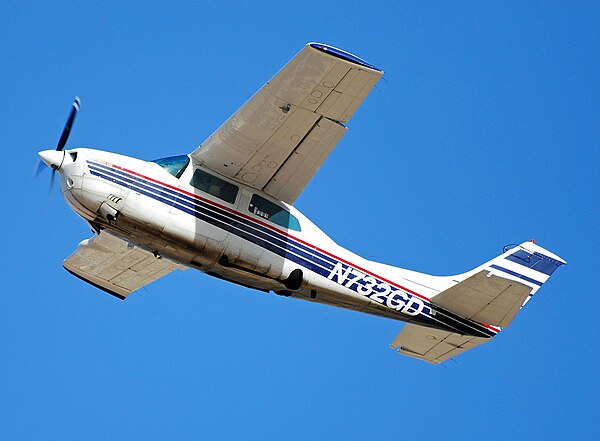
Cessna 210 Centurion (Stock photo)
(c) wikipedia.com

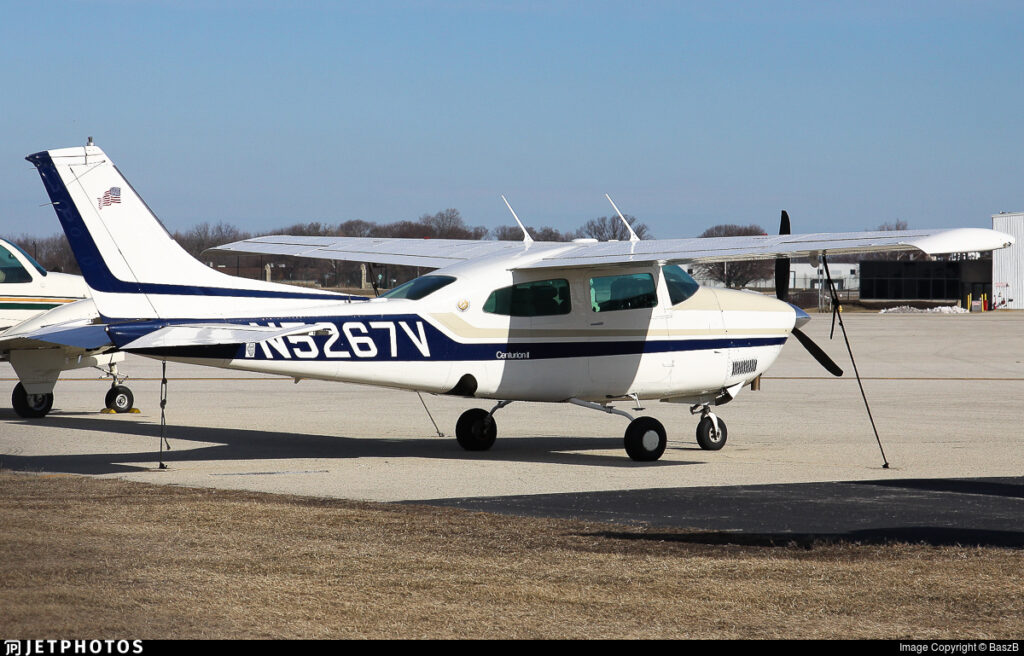
Recollections: The Cessna 210 comes in a variety of models, including a pressurized version.  It is an excellent cross-country airplane and all my flights were done when I was in Wichita, KS as an FAA Test Pilot.  The 210 that I flew (N5267V) was unpressurized but it was turbocharged and had an oxygen system.  My logbook shows both personal and professional trips from Wichita to Burbank, CA (for a Test Pilot symposium), Little Rock AR (to visit my great friends Lee and Connie Khinoo), Rochester, MN (with fellow tester and great friend Derek Morgan), several trips to Olathe, KS for meetings, and my first attendance at the world’s largest airshow, Oshkosh, WI “Airventure”, where I was “on duty” with the FAA.

It’s not clear to me why this airplane’s production was halted, in favor of the fixed gear, strutted 172/182/206 designs that continue.  Seems like it could’ve given the later Cirrus-type airplanes a run for their money.  

N5267V (stock photo)
(c) jetphotos.com

Filed Under: 126-150, Airplane SE Piston

  • « Previous Page
  • 1
  • …
  • 6
  • 7
  • 8
  • 9
  • 10
  • …
  • 18
  • Next Page »

Recent Comments

  • Brian Paul on OV-1
  • Bob Stoney on Raytheon 390 Premier I

Contact Me.

Click Here.

Visitor Count

7798

Copyright © 2026 · Outreach Pro on Genesis Framework · WordPress · Log in